Ambassador Youth Article
Five Habits for Lifelong Health!
Don’t it always seem to go, that you don’t know what you’ve got till it’s gone. The chorus of a famous song contains that lyric. Perhaps you have heard it or one of its many covers on the radio. This phrase sums up a natural tendency: it is easy to take something for granted, only to long for it after it leaves us.
Related, “hindsight is 20/20” is a common saying—referring to how easy it is to see things clearly after they have already happened.
There is one more related statement. A famous author wrote, “Youth is wasted on the young.” This illustrates that while you are young, you may not appreciate what you have, namely your health.
Taken together, these three quotes show that health is easy to take for granted at any age, but especially while young. When you feel good, your health is not an active concern. But eventually, a lack of care leads to bad effects.
When an area of the body begins to feel bad, it suddenly becomes a major priority, at which point it may become crystal clear what should have been done to manage it in the first place.
If you feel good right now, with no major ailments, aches or pains, you may not spend much time thinking about your health. Yet your teenage energy and strength does not last forever—adults will tell you this from their own experience. If you do not take care of your health, it will one day be a major priority for you—but then, it could be too late.
Think about breathing for a moment. You inhale and exhale about 20,000 to 25,000 times per day and it is automatic—you do not need to consciously remember to do so. If you put your head underwater, however, very quickly the lack of air is ALL you think about!
Or recall the last time you stubbed your toe. Usually the welfare of your feet does not cross your mind. But if you accidentally bang your pinkie toe on the corner of a bedpost, the pain consumes your thoughts.
Of course, God created the human body to be resilient. Any young person can do just about everything wrong as it relates to healthy decisions and still feel great—but just for a while! It is critically important to develop good habits while you are a teenager—at the peak of your physical and mental capacity.
According to the article “Health Habits Develop Early and Are Hard to Change”: “If you want to develop good health habits that are associated with a longer, healthier, and happier life you have to start early…very early! Research and clinical practice clearly shows that health habits develop very early in life and, once well established, are exceedingly difficult to change. This is why it is so critically important to maintain a healthy diet and exercise routine while avoiding smoking and…drinking at young ages. Once problems and poor health habits emerge they tend to be very long lasting” (Psychology Today).
We will look at five actions you can take during your teenage years that, when developed into habits, will ensure you remain healthy well into the future. As a bonus, they will also benefit you now!
(1) Eat Real Food
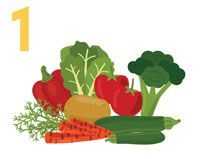
Eat Real Food: Vegetables, fruit, proteins and grains are all necessary for a healthy diet. Consuming these instead of high-carb, processed junk food will provide the nutrients and vitamins your body needs to remain energized throughout the day.
Source: Getty Images
One of the most effective ways to improve how you feel, look and function is to examine what you eat. But what should you include in your diet to ensure your body receives the nutrients it needs?
A nutrition specialist observed in an interview with Cleveland Clinic that “many diets have one particular strategy in common, which is to increase the amount of real food that people are eating and decrease the amount of manufactured calories…”
This is an uphill battle for many teens today. An article on heart.org stated that “U.S. adolescents get about two-thirds of their calories from ultra-processed food, and the more they eat, the worse they score on important measures of heart health, a new study says…The ultra-processed food category includes chips, cookies, candy, soft drinks and ready-to-heat products such as pizza, instant soup, hot dogs and chicken nuggets.”
Ask yourself: How much real versus processed foods do I eat daily? And how many fresh foods, fruits and vegetables do I eat?
Take an inventory of your typical diet. While two-thirds of your calories may not come from unprocessed foods, the amount could be higher than you think, especially if you have not been actively tracking what you eat. There are a number of free smartphone apps that allow you to easily record the foods you eat and count calories. What you observe over time may surprise you!
Make real food—food that is not manufactured or processed—the foundation of your diet. In addition, eliminate as many sugary snacks and drinks as you can. Include fresh fruits and vegetables, whole grains, and natural meat instead.
One of the most challenging areas is snacks. Since you most likely eat dinner as a family, with the menu being chosen by your mother, there is not the same temptation to eat unhealthy foods at dinnertime. Finding healthy snacks is difficult. Try to avoid snacks that contain a long list of difficult-to-pronounce ingredients. Instead, make them a rare treat.
Also, be wise with your lunch selections if you are buying lunch at school. Set a good example for others through what you choose to eat.
For most of man’s history, meals were prepared and consumed with fresh ingredients—straight from the farm or garden. The concept that food can sit in a bag or a box for months or even years without refrigeration was non-existent. Only since the past few generations have foods been “mummified” and preserved for the sake of convenience.
It is not easy to quit certain foods “cold turkey,” especially if you have been eating them for a long time. But begin by making incremental changes. The same article went on to state, “Healthy alternatives can still be convenient as well as delicious. For example, [an epidemiologist said], instead of a packaged granola bar, a teen could choose unsalted nuts and a piece of whole fruit as a snack. ‘That’s just as easy to grab and eat on the go, but much more filling and nutritious.’”
Be creative. For breakfast, try eating oatmeal with nuts and fruit for added sweetness or a few pieces of whole-grain toast with eggs. Try to incorporate fresh vegetables or fruit as snacks. If you are not a fan of their taste, find ways to make them palatable for you. Toss a little parmesan cheese on your veggies, or enjoy your apples with some peanut butter (try to find a brand that does not use sugar or high-fructose corn syrup in the ingredients).
The positive impact on your health will not only be immediate, but also long-term.
(2) Replace Sugary Drinks by Drinking More Water
Drink More Water: Water is the lubricant of the body, which itself is made of about 65 percent water. Make sure you are drinking enough. A good rule of thumb is to divide your body weight (in pounds) by two. The result is the amount of water (in ounces) you should drink each day. Meanwhile, avoid sugary, carbonated drinks, which can dehydrate the body.
Source: Getty Images
An article in NPR stated that “Most American children and teenagers aren’t drinking enough fluids, and that’s leaving them mildly dehydrated, according to a new study. In fact, one-quarter of a broad cross-section of children ages 6 to 19 apparently don’t drink any water as part of their fluid intake.”
This is a shocking statistic. But also, per the United States Centers for Disease Control and Prevention, approximately half of the American population consumes more than one sugary beverage each day. Within each of these, there is approximately nine and a half teaspoons of sugar.
To understand how much this is, go into your pantry and ask a parent if you can borrow the sugar for a short experiment. Use a measuring teaspoon and put the sugar into a glass. It will almost fill a third of it!
The lack of water and abundance of sugar and other artificial sweeteners wreaks havoc on a host of bodily functions. This includes shutting off parts of the immune system—the system that helps fight sickness—which is crucial for staying healthy.
On top of the sugar factor, these drinks contain a large number of empty calories—meaning they do not contribute to health in any way.
To make matters worse, many consume sugary caffeinated beverages instead of water—so they are dehydrated too!
Water is a huge part of staying healthy. According to licensed dietician Joe Leech of authoritynutrition.com, drinking enough water each day:
- Helps maximize your physical performance.
- Increases energy, improves brain function, and elevates mood.
- Prevents and treats headaches.
- Aids in digestion and normalizes elimination.
- Helps with metabolism and weight loss.
How much water should a young person drink? Here is a simple formula to determine the minimum amount you should consume daily: Divide your bodyweight in pounds by two. The result represents the ounces of water you need each day to function normally.
For example, a 120-pound girl would need to drink at least 60 ounces of water a day, which equals approximately eight glasses of water.
Similarly, a 160-pound boy would need 80 ounces—20 ounces more than the 120-pound girl—or over 10 glasses of water to stay hydrated. If you are physically active (e.g., play sports or engage in rigorous outdoor work), this amount should be much higher.
One way to help yourself drink more water is to make it a conscious part of your daily routine. When you first wake up in the morning, drink a glass of water. Before you go to school, drink another glass. If you have a job, drink a glass of water before heading to work.
To ensure you consume enough, you may even want to buy an inexpensive water bottle to keep with you throughout the day.
If water is not appealing to you, find ways to force yourself to drink it. For example, add a squirt of lemon, lime or even a tiny bit of 100 percent juice to help ensure you meet your daily intake.
Realize that just as moving parts of a car’s engine require oil for lubrication, your body needs water for its “parts” to function properly and efficiently. Drink plenty of refreshing water every day!
(3) Get Active
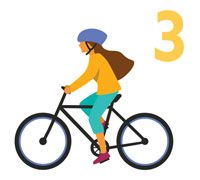
Get Active: Exercise improves muscle tone, heart strength, and rejuvenates skin health. It also helps you control weight, reduce the risk of diabetes and other health problems, and have better emotional well-being. The American Heart Association recommends that adolescents get at least 60 minutes of moderate (brisk walking, swimming, mowing the lawn) to vigorous (running, weightlifting, sports) physical activity each day.
Source: Getty Images
The World Economic Forum published an article with a stunning title: “80% of teenagers globally are too inactive—and it could shorten their lives.” It also reported that “more than 80% of school-going adolescents worldwide are not getting enough regular exercise, the World Health Organization (WHO) found in the first survey of its kind.”
The recommended amount for children ages 11-17 is “at least one hour of physical activity per day,” the WHO says. But 85 percent of girls and 78 percent of boys are falling short of that goal.
Decades ago, teens generally spent more time outdoors, rather than being glued to their screens indoors. All of today’s inactivity has taken a toll on the fitness of youth. According to the CDC:
- Nearly half of Americans ages 12-21 are not vigorously active on a regular basis.
- About 14 percent (1 in 6) of young people reported zero recent physical activity.
- Participation in all types of physical activity declines strikingly as age increases.
- Only 1 in 5 high school students are physically active for at least 20 minutes per day during school.
If this describes you, do not beat yourself up about it. Modern culture has driven most everyone inside and away from the active lifestyle for which our bodies were intended. But there is hope if you are willing to change your behavior.
You can beat the trends among teens today. Get up, go outside, and pick up a soccer ball, tennis racket, golf club, or baseball bat.
You do not necessarily need to play a sport to live more actively, however. In fact, most adults get their activity from things other than sports. Examples include doing chores and yard work.
Want to earn some extra cash while staying active? Ask neighbors if they need their cars washed or their grass cut. Looking for a way to eat better and learn about God’s Creation? Plant a garden and commit to tending it for 20 minutes per day.
You could also try other things such as getting a bike and exploring the local paved paths in your community. Or if you want to be more adventurous, buy a mountain bike and try more rough and rugged dirt trails nearby.
You do not have to be a world-class athlete to join the local gym and learn to swim or lift weights. Perhaps the easiest, least expensive, and most rewarding type of physical activity is simply going for a walk. Take a hike on a trail in a nearby state or national park. And there are countless free exercise videos available on YouTube that can be used in the comfort of home.
Becoming more physically active will help prevent a slew of problems that are afflicting many such as heart disease, stroke, high blood pressure, diabetes, obesity, back pain, osteoporosis and joint pain. In addition, regular physical activity can help improve your mood, self-esteem and how well you manage stress.
(4) Catch Your ZZZs
Catch Your ZZZs: Teenagers need nine to 10 hours of sleep, while adults need seven to eight. And be careful—electronic screens can interfere with your body’s natural ability to sleep. Shut them off a couple of hours before you go to bed to ensure a full night’s rest. Sufficient sleep will keep your mind sharp and your metabolism balanced, among many other benefits.
Source: Getty Images
The benefits of eating good food, drinking clean water, and staying physically active can be negated if we do not get enough sleep!
When you drift off to sleep, your muscles relax, blood pressure drops, and blood flow shifts to muscle and tissues. This starts the process of repair and growth throughout the body. Your cardiovascular system slows down to take pressure off your heart. In addition, active dreaming is thought to play a critical role in learning and the formation of memories. So, yes, plenty of sleep can actually help you remember what you heard in class during the day!
Also, studies suggest that the brain’s “waste flushing system” (the lymphatic system) is 10 times more active when we sleep. Just as important, the body’s endocrine system kicks into high gear as hormones are produced to accomplish numerous important tasks.
How much sleep do you need each day? The National Institutes of Health recommend that children ages 5-12 obtain a minimum of 10 hours and teenagers nine to 10 hours. Yet, according to the CDC, only 31 percent of high school students reported getting at least eight hours of sleep on an average school night. Even fewer get the recommended nine to 10 hours.
If you are not sure whether you are getting the recommended levels, keep a sleep journal for one month to track how many hours of sleep you get each night. If you find you are falling short, ask yourself why.
The most common reason children and teens do not get enough sleep is the overuse of devices such as mobile phones, game consoles, computers and televisions. Not only do these devices act as major time wasters if used in an unbalanced way, they emit a type of blue light that is similar to sunlight. (Read our article “Manage Your Screen Time” to learn more.)
When you get enough sleep, you may notice that your memory and focus improve. And who knows…maybe you will even test better and get better grades! Most important, increased sleep time will maintain your body’s health for years to come.
(5) Claim God’s Promises

Claim God’s Promises: God shows in His Word that He wants you to be healthy. Find His promises in the Bible and claim them in prayer. God will guide you through the process and ensure that you have excellent physical and mental health.
Source: Getty Images
Youthful vitality is a gift that only lasts a fraction of your life. It is important to cherish it. The ancient Israelite King Solomon recorded, “Rejoice, O young man, in your youth; and let your heart cheer you in the days of your youth, and walk in the ways of your heart, and in the sight of your eyes…” (Ecc. 11:9).
Yet youth is also the prime time to develop a fifth very important habit. Solomon also stated: “Remember now your Creator in the days of your youth, while the evil days come not, nor the years draw nigh, when you shall say, I have no pleasure in them” (12:1).
Perhaps you never realized that seeking God—the Designer and Creator of the human body—has everything to do with your health. Notice the promise He makes for those who keep the fifth commandment: “Honor your father and your mother: that your days may be long…” (Ex. 20:12). Here, obedience is tied to the blessing of long life.
The more you seek God by studying His Word, the more you can learn to please Him. The more you please Him, the more of His promises you can claim. Psalm 119:9 sums this up: “Wherewithal shall a young man cleanse his way? By taking heed thereto according to Your word.”
To understand how to more fully live God’s Way—and the blessings tied to that obedience—read the book The Ten Commandments – “Nailed to the Cross” or Required for Salvation?
Invest in Your Future
Seeking God will also help you understand the reason for having good health. It is common for people to just float downstream in life without much of a purpose. But this is not why we were created.
Good health is a platform by which you can live a productive life. Mr. David Pack has often said, “The simple challenge of life is to become a more effective person.”
We were created to live the way of “give” rather than “get.” While it is important to benefit yourself with the behaviors we have examined, also determine to set the right example for others. Encourage other teens in the Church to make the right choices. Offer them support as they seek to get in shape for AYC 2021. Also, staying healthy can involve serving others. For example, rake a neighbor’s yard. Walk someone’s dog. Take your grandma shopping.
Realize that the healthier you are, the more you can give to others!
If you incorporate the four physical steps into your life today—eating real food, drinking more water and less sugary drinks, getting enough exercise, and sleeping enough—you will establish good habits that will carry you through adulthood. Then, even when your body naturally deteriorates, you will be able to maintain energy, stamina and endurance. You will not lose memory, focus and learning ability. You might avoid getting sick because your immune defenses will be stronger.
And if you remember the fifth step—obeying God and claiming His promises—He will supplement your physical health, and will guide you toward using it productively.
If you would like to continue learning about ways to improve and maintain your health, read the Church’s booklet God’s Principles of Healthful Living. It contains many additional points related to the five steps presented in this article. Taking the time to read it will be another investment toward a healthy, vibrant future!
Published May 5, 2021