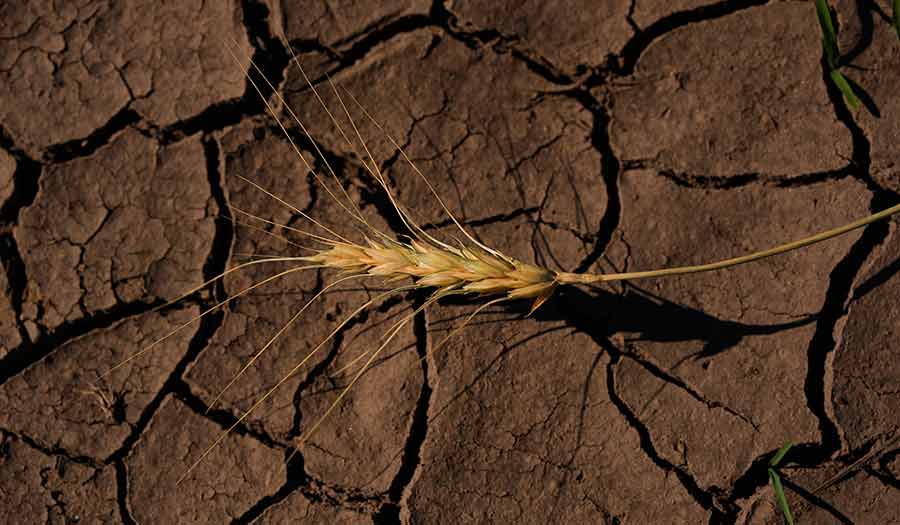
Update: World Food Crisis

The shortage and escalation of food prices is impacting both First World and developing nations alike.
In Kenya, delayed seasonal rains have resulted in severe drought. It is reported that at least 20 people a month are injured due to animal attacks in their quest for water.
From Nigeria, it is reported that the demand for grain exceeds the supply. In past years, Nigeria has exported excess grain to neighboring countries, but it is now forced to import due to shortages. Poultry farmers in the Kano region require substantial amounts of grain to supply the 350 farms there. As a result, the price of grain has doubled in the last few months—leaving the average man unable to obtain enough grain to feed his family.
With the political turmoil in Zimbabwe already hampering food production, the problem is growing worse: Elephants straying from a reserve 150 km south of Victoria Falls in search of food are devouring the crops of villagers. With about a third of Zimbabwe’s population reliant on emergency rations, elephant rampages are causing bigger problems as man and beast compete for food.
The worsening food crisis, once isolated to the world’s poorer regions, has now escalated and spread. The World Bank has estimated that global food prices have increased about 83% in the past three years and could drive an extra 100 million people worldwide to poverty.
Christiane Berthiaume, spokeswoman for the United Nations World Food Programme, said that with the alarming rise of food prices, the organization found it more difficult to supply the needs of poverty stricken regions. Referring to donations, she said, “If by this summer we don’t receive more, we will have to make quite heartbreaking choices—either we reduce the beneficiaries or we reduce the rations.”
At a trade conference held in Accra, Ghana, UN Secretary-General Ban Ki-moon warned, “If not handled properly, this crisis could result in a cascade of others...and become a multidimensional problem affecting economic growth, social progress and even political security around the world.”
A range of factors are contributing to the shortfall in food supplies:
- Smaller than expected harvests around the world as a result of climate changes
- The falling U.S. dollar
- Escalating oil prices
- The increase in demand from China and India’s two billion-plus inhabitants
Blame is also being placed on an increase in biofuel production. While ethanol and other biofuels are seen as more “eco-friendly” than crude oil, they require high percentages of food crops, such as corn and sugarcane.
Britain passed new legislation that aims to make vehicles “greener.” The new law stipulates that 2.5% of biofuel must be added to normal fuel. This year alone, it will take 100 million tons of grain to achieve this. The UN estimates that to produce 50 liters of biofuel, 232 kilograms of grain is needed—equating to enough food to feed a child for a year!
Water shortages are also adding to problems in producing food. Asia and large parts of Africa are running out of water, and in regions where once-large crops were produced to support the local population, diminishing water levels are stemming the farming industry. This, along with over-cultivation of farmland, has led to low yields per capita.
With biofuel needing 100 million tons a year—and animals needing 750 million tons a year—more riots can be expected as prices go beyond what the average consumer can afford.