Russia Accused of Trying to Steal Virus Vaccine Data
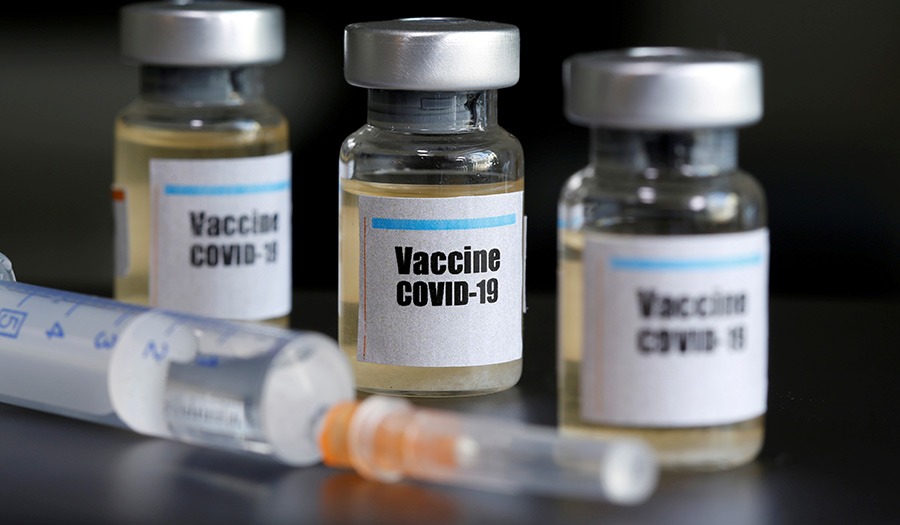
Hackers backed by the Russian state are trying to steal COVID-19 vaccine and treatment research from academic and pharmaceutical institutions around the world, Britain, the United States and Canada accused on Thursday.
Intelligence agencies in the three nations alleged that the hacking group APT29, also known as Cozy Bear and said to be part of the Russian intelligence services, is attacking academic and pharmaceutical research institutions involved in COVID-19 vaccine development.
“We condemn these despicable attacks against those doing vital work to combat the coronavirus pandemic,” said Paul Chichester, Director of Operations at Britain’s National Cyber Security Center (NCSC).
“It is completely unacceptable that the Russian Intelligence Services are targeting those working to combat the coronavirus pandemic,” British Foreign Secretary Dominic Raab said in a statement.
In a separate announcement Britain also accused “Russian actors” of trying to interfere in its 2019 election by trying to spread leaked documents online. Russia’s foreign ministry said those accusations were “foggy and contradictory.”
Russian President Vladimir Putin’s spokesman, Dmitry Peskov, rejected the British accusations, saying: “We don’t have information about who may have hacked pharmaceutical companies and research centers in Britain."
“We may say one thing: Russia has nothing to do with those attempts,” Mr. Peskov said, according to the state news agency Tass.
Britain is expected to publish a long-delayed report into Russian influence in British politics next week.
“Selfish Interests”
The persistent and ongoing attacks are seen by intelligence officials as an effort to steal intellectual property, rather than to disrupt research. The campaign of “malicious activity” is ongoing and includes attacks “predominantly against government, diplomatic, think tank, health care and energy targets,” NCSC said in a statement.
Mr. Raab said: “While others pursue their selfish interests with reckless behaviour, the UK and its allies are getting on with the hard work of finding a vaccine and protecting global health.” He said Britain would work with allies to hold perpetrators to account.
The NCSC said the group’s attacks were continuing and used a variety of tools and techniques, including spear-phishing and custom malware.
“APT29 is likely to continue to target organisations involved in COVID-19 vaccine research and development, as they seek to answer additional intelligence questions relating to the pandemic,” the NCSC statement said.
Canadian authorities said the attacks were hindering response efforts and that risks to health organizations were elevated. Canada’s signals intelligence and cyber threat center advised institutions to take action to protect themselves.
The U.S. Department of Homeland Security’s cybersecurity agency warned in April that cybercriminals and other groups were targeting COVID-19 research, noting at the time that the increase in people teleworking because of the pandemic had created potential avenues for hackers to exploit.
Mike Chapple, an information technology expert at the University of Notre Dame’s Mendoza College of Business, said the Russian hackers realized that knowledge is power when it comes to COVID-19.
“I think the biggest takeaway from these attacks is that other countries are actively targeting the health research industry and we’re seeing the pharmaceutical companies and others being targeted because they have the information that can be used to help alleviate this global pandemic,” he said. “It’s reasonable to conclude that the coronavirus is the No. 1 priority of every intelligence agency around the world right now.”
This article contains information from Reuters and The Associated Press.