Oregon-California Border Water Crisis Turns Catastrophic
PORTLAND, Oregon (AP) – The water crisis along the California-Oregon border went from dire to catastrophic this week as federal regulators shut off irrigation water to farmers from a critical reservoir and said they would not send extra water to dying salmon downstream or to the half-dozen wildlife refuges relied upon each year by millions of migrating birds in the U.S. West.
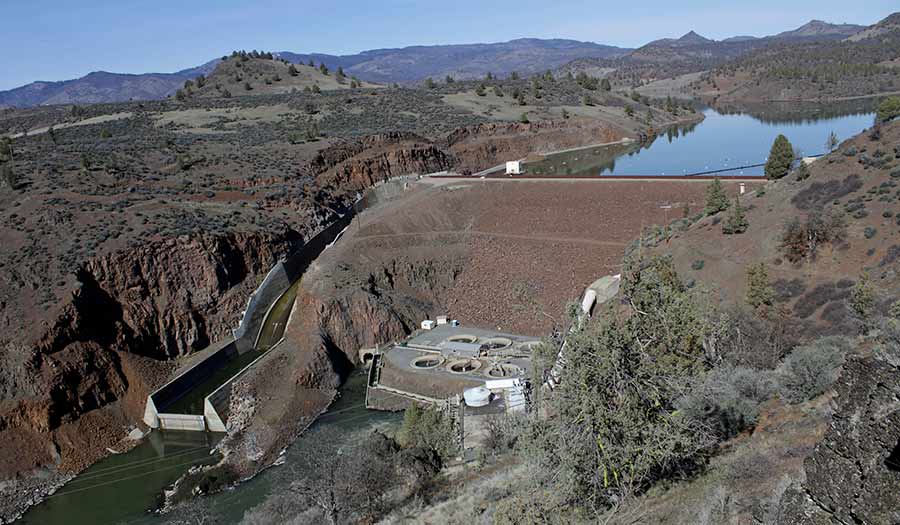
In what is shaping up to be the worst water crisis in generations, the U.S. Bureau of Reclamation said it will not release water this season into the main canal that feeds the bulk of the massive Klamath Reclamation Project, marking a first for the 114-year-old irrigation system. The agency announced last month that irrigators would get dramatically less water than usual, but a worsening drought picture means water will be completely shut off instead, the agency said.
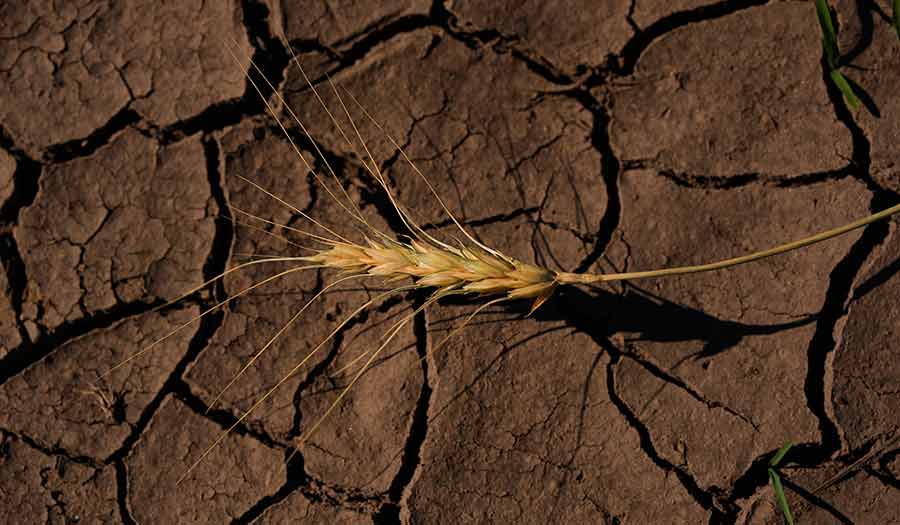
The entire region is in extreme or exceptional drought, according to federal monitoring reports, and Oregon’s Klamath County is experiencing its driest year in 127 years.
“This year’s drought conditions are bringing unprecedented hardship to the communities of the Klamath Basin,” said Reclamation Deputy Commissioner Camille Calimlim Touton, calling the decision one of “historic consequence.” “Reclamation is dedicated to working with our water users, tribes and partners to get through this difficult year and developing long-term solutions for the basin.”
The canal, a major component of the federally operated Klamath Reclamation Project, funnels Klamath River water from the Upper Klamath Lake just north of the Oregon-California border to more than 130,000 acres, where generations of ranchers and farmers have grown hay, alfalfa and potatoes and grazed cattle.
Only one irrigation district within the 200,000-acre project will receive any water from the Klamath River system this growing season, and it will have a severely limited supply, the Klamath Water Users Association said in a statement. Some other farmers rely on water from a different river, and they will also have a limited supply.
“This just couldn’t be worse,” said Klamath Irrigation District president Ty Kliewer. “The impacts to our family farms and these rural communities will be off the scale.”
At the same time, the agency said it would not release any so-called “flushing flows” from the same dam on the Upper Klamath Lake to bolster water levels downstream in the lower Klamath River. The river is key to the survival of coho salmon, which are listed as threatened under the Endangered Species Act. In better water years the pulses of water help keep the river cool and turbulent—conditions that help the fragile species. The fish are central to the diet and culture of the Yurok Tribe, California’s largest federally recognized tribe.
The tribe said this week that low flows from drought and from previous mismanagement of the river by the federal agency was causing a die-off of juvenile salmon from a bacterial disease that flourishes when water levels are low. Yurok fish biologists who have been testing the baby salmon in the lower Klamath River are finding that 70 percent of the fish are already dead in the traps used to collect them and 97 percent are infected by the bacteria known as C. shasta.
“Right now, the Klamath River is full of dead and dying fish on the Yurok Reservation,” said Frankie Myers, vice chairman of the Yurok Tribe. “This disease will kill most of the baby salmon in the Klamath, which will impact fish runs for many years to come. For salmon people, a juvenile fish kill is an absolute worst-case scenario.”
Irrigators, meanwhile, reacted with disbelief as the news of a water shut-off in the canals spread. A newsletter published by the Klamath Water Users Association, which represents many of the region’s farmers, blared the headline, “Worst Day in the History of the Klamath Project.” Farmers reported already seeing dust storms that obscured vision for 100 yards, and they worried about their wells running dry.
The situation in the Klamath Basin was set in motion more than a century ago, when the U.S. government began drawing water from a network of shallow lakes and marshlands and funneling it into the dry desert uplands. Homesteads were offered by lottery to World War II veterans.
The project turned the region into an agricultural powerhouse—some of its potato farmers supply In ‘N Out burger—but permanently altered an intricate water system that spans hundreds of miles from southern Oregon to Northern California.
In 1988, two species of sucker fish were listed as endangered under federal law. Less than a decade later, coho salmon that spawn downstream from the reclamation project, in the lower Klamath River, were listed as threatened.
The water necessary to sustain the coho salmon downstream comes from Upper Klamath Lake—the main holding tank for the farmers’ irrigation system. At the same time, the sucker fish in the lake need at least 1 to 2 feet of water covering the gravel beds they use as spawning grounds.
The drought also means farmers this summer will not flush irrigation water into a network of six national wildlife refuges that are collectively called the Klamath National Wildlife Refuge Complex. The refuges, nicknamed the Everglades of the West, support up to 80 percent of the birds that migrate on the Pacific Flyway. The refuges also support the largest concentrations of wintering Bald Eagles in the lower 48 states.