Syrian Drought Puts Bashar Assad’s ‘Year of Wheat’ in Peril
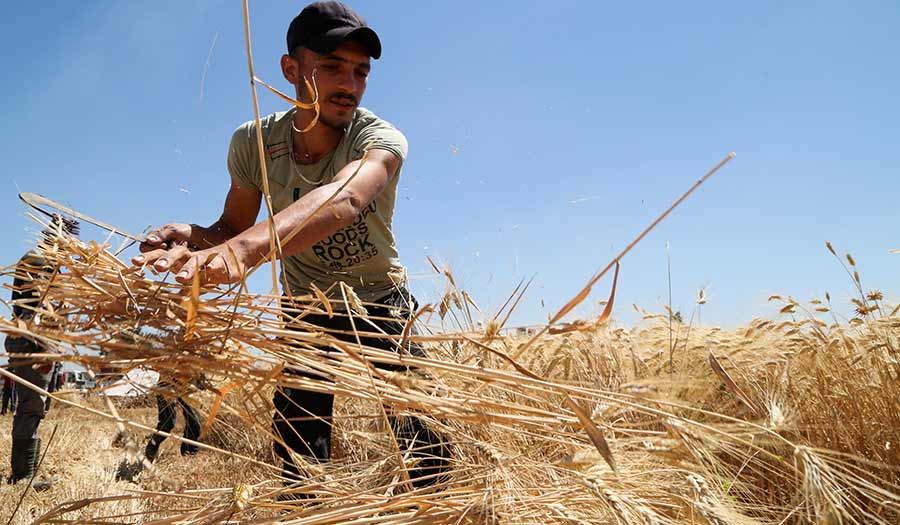
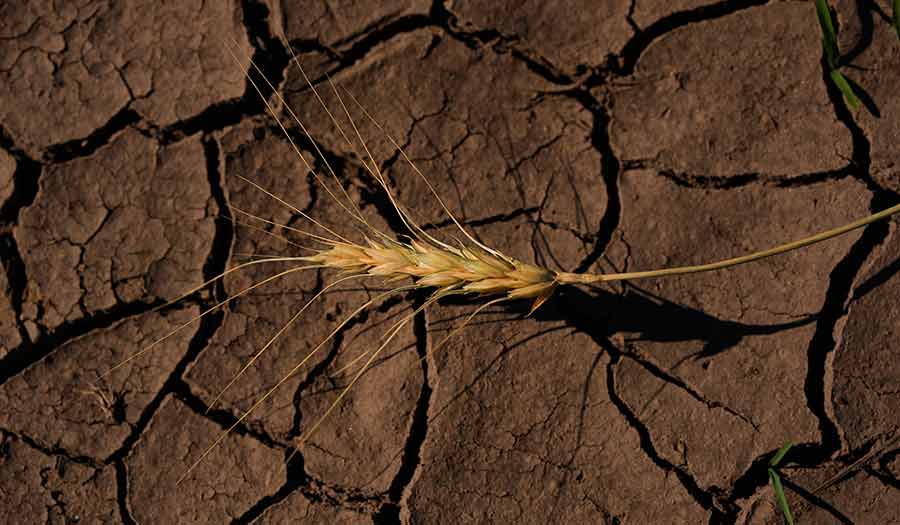
AMMAN (Reuters) – The “year of wheat” campaign pushed by Syrian President Bashar Assad is in jeopardy after low rainfall risked leaving an import gap of at least 1.65 million tons, according to preliminary estimates by officials and experts.
The agricultural blow and lack of funds to finance the imports will add to pressure on a Syrian economy already reeling from ten years of conflict and buckling under the pressure of U.S. sanctions, neighboring Lebanon’s financial collapse and the COVID-19 pandemic.
Russia, one of the world’s largest exporters of wheat and Mr. Assad’s staunch ally, has said it would sell 1.1 million tons of grain to Syria throughout the year to help it meet the 4.4 million tons of annual domestic demand.
But its cargoes have been slow to arrive in recent years as funds grew scarce, with publicly available customs data showing no significant supplies to Syria.
Officials and an expert at the Rome-based Food and Agriculture Organization (FAO) estimated at least 1.65 million tons of wheat imports were needed. They said a 1.3 million-ton government purchasing target, driven by forced sales to the government, now looked wildly unrealistic.
Abdullah Khader, 49, a landowner and farmer in Raqqa province, said the lack of rain meant his crop was almost a quarter of last year’s.
Minister of Agriculture Mohammed Hassan Qatana talked about the fate of the domestic crop during a tour with his team this week of the country’s bread basket in the northeast Hasaka province, where much of the country’s cereals crop is in the hands of breakaway Kurds.
“It’s clear from the tour the huge impact of the climatic changes, that all rain-fed plantations have been taken out of investments and even the irrigated wheat areas production has gone down 50%,” Mr. Qatana said.
According to two UN experts, that could mean at least half of the planted acreage of 3.7 million acres could be wiped out.
Bread Shortages
Much of the domestic wheat demand is needed to support a government bread subsidy program.
Syria’s financial troubles have already translated into bread shortages in the past year with residents complaining of long queues across government-controlled areas, in some instances running up to five hours.
The World Food Program said in March a record 12.4 million Syrians, more than 60 percent of the population, suffer from food insecurity and hunger, double the number seen in 2018.
Syrians are increasingly dependent on subsidized bread as rampant inflation has driven up food prices more than 200 percent in the last year, according to the World Bank.
Mr. Qatana had appealed to farmers to prioritize wheat this year so the country could “return to eating what we plant.”
“We are facing endless economic pressures, our food means our existence,” he told state media in November.
A rise in last year’s harvest had raised expectations, with an increase of 52 percent compared to a five-year average, according to FAO data.
“I sowed my 80 donums [20 acres], hoping it will be a good season,” said Mustafa al-Tahan, 36, a farmer in northern Hama countryside.
“I have lost everything and the yields have been very poor with little rain.”