Supply Chain Disruption: Is the Worst Over?
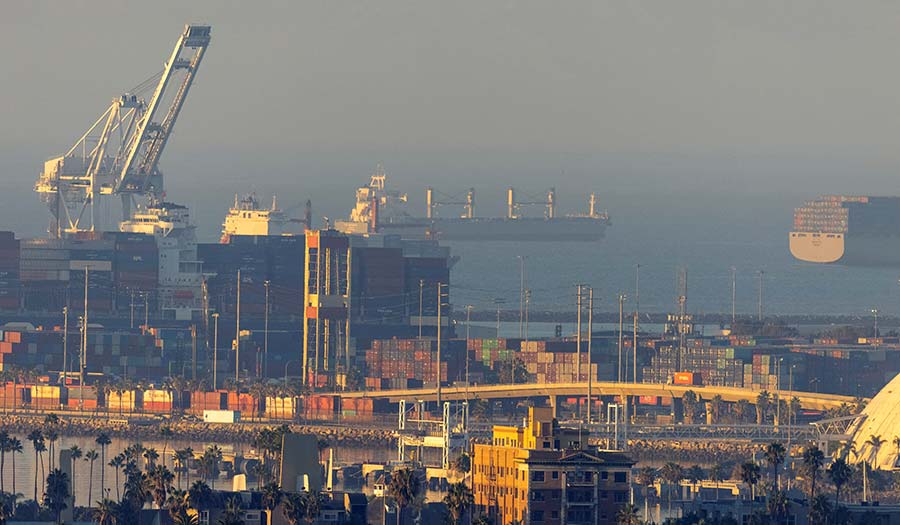
Reuters – As companies, investors and policymakers fret over port logjams, freight costs and chip shortages, some indicators are starting to signal that global supply chain stress may be on the wane.
Supply chain glitches dominated the latest company earnings season, with mentions of the issues by chief executives jumping 412 percent from last year, according to a BofA tally.
The coming months will show if the snarl-ups portend a toxic scenario of stagflation for the world economy or are just a bump in the road to recovery. They will also determine how inflation expectations, monetary policy and corporate earnings pan out.
Here are some indicators that may show the problems easing.
Ships and Ports
Cargo shipping costs tracked by the Baltic Exchange Dry index are down a third in the past month after hitting their highest since 2008 in October.
Further out, data from shipbroker Alibra Shipping shows six-month contracts for Atlantic and Pacific Ocean routes cost $54,000 and $52,500 a day respectively for capesizes, the largest dry cargo vessels. For contracts in 12 months, Pacific routes slip to $36,000 and then $26,000 two years out.
“This could mean the market doesn’t anticipate that the port congestion situation will be as big a problem next year,” Alibra’s head of research Rebecca Galanopoulos said.
Port congestion has eased at most Chinese ports but the giant Los Angeles/Long Beach container port still has a backlog of 222,0000 TEUs (20-foot equivalent unit), RBC analyst Michael Tran said.
RBC’s Time of Turnaround metric for the key U.S. port is at 7.5 days compared with 3.5 days before the coronavirus pandemic and Mr. Tran does not expect normality to be restored until May 2022.
Inventories
Purchasing managers say delivery times for manufacturers worldwide are deteriorating, with the global delivery time index down to 34.8 last month. Any number below 50 shows deliveries are taking longer and October’s reading was the worst on record.
Jefferies analysts expect shortages to intensify at the end of 2021 before demand shifts towards services. They said that should ensure supply chain bottlenecks begin to clear by the first quarter of 2022 as seasonal demand drops sharply and inventories are rebuilt.
Chips
The outlook for semiconductors is murkier.
Chip shortages will cut global light vehicle production by 5 million this year, IHS Markit estimates, while some carmakers warn that constraints could last through much of 2022.
Toyota executive Kazunari Kumakura, however, said the worst was over.
Asset manager Capital Group says carmakers who cancelled orders when the pandemic hit were then caught out as spiraling chip demand from the gaming and cloud computing sectors gobbled up available semiconductors.
“Since it takes about four months to manufacture auto chips, the situation is likely to correct itself by the end of this year,” the asset manager wrote in August.
While Malaysian chip suppliers predict it will take two to three years for the market to normalize more broadly, the industry is also boosting production with Q3 sales rising to $145 billion, the Semiconductor Industry Association says.
Wood, Paper, Metal
China’s growth slowdown may play against further commodity price rises, with the Fitch agency noting that weaker property markets are “resulting in a plunge in the price of iron ore.”
Beijing has also moved to tame energy prices after power shortages shuttered swathes of factories and mines. Those steps knocked coal futures off record highs and also hit metal prices.
Similarly, China’s record paper pulp market rally early this year sent prices skyrocketing globally, causing shortages of packaging materials. But since May, Shanghai-traded wood pulp futures are down 30 percent.
U.S. futures for lumber, a key housebuilding component, are also 60 percent below springtime highs.