1.1 Million Afghan Children Could Face Severe Malnutrition
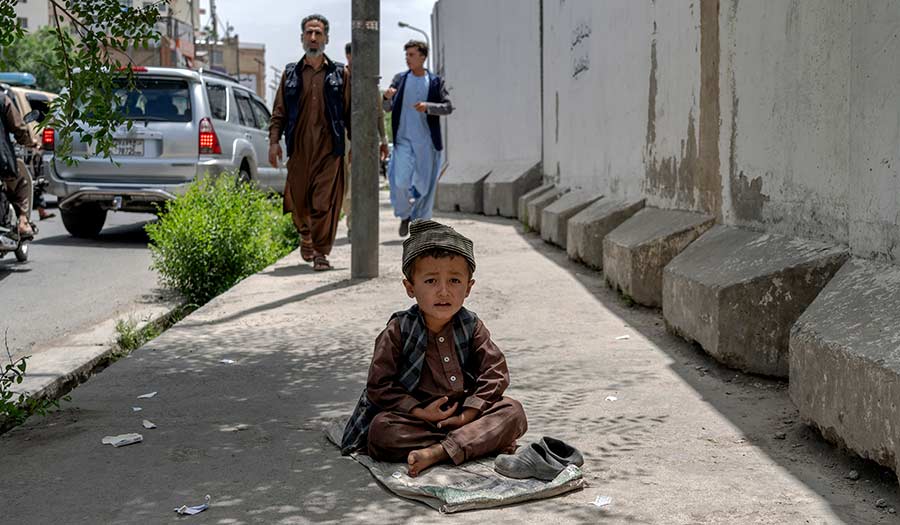
ISLAMABAD (AP) – In Afghanistan, 1.1 million children under the age of 5 will likely face the most severe form of malnutrition this year, according to the UN, as increasing numbers of hungry, wasting-away children are brought into hospital wards.
UN and other aid agencies were able to stave off outright famine after the Taliban takeover of Afghanistan last year, rolling out a massive emergency aid program that fed millions.
But they are struggling to keep pace with relentlessly worsening conditions. Poverty is spiraling and making more Afghans in need of aid, global food prices are mounting from the war in Ukraine and promises of international funding so far are not coming through, according to an assessment report issued this month.
As a result, the vulnerable are falling victim, including children but also mothers struggling to feed themselves along with their families.
Nazia said she had lost four children to malnutrition—two daughters and two sons under 2 years old. “All four died due to financial problems and poverty,” the 30-year-old Nazia said. When her children fell ill, she did not have the money to treat them.
Nazia spoke to The Associated Press at Charakar Hospital in the northern province of Parwan, where she and her 7-month-old daughter were both being treated for malnutrition. Her husband is a day laborer but is also a drug addict and rarely brings in an income, she said. Like many Afghans, she uses only one name.
UNICEF, the UN children’s agency, said 1.1 million children this year are expected to suffer from severe acute malnutrition, also known as severe wasting, nearly double the number in 2018 and up from just under 1 million last year.
Severe wasting is the most lethal type of malnutrition, in which food is so lacking that a child’s immune system is compromised, according to UNICEF. They become vulnerable to multiple bouts of disease and eventually they become so weak they cannot absorb nutrients.
The numbers of children under 5 being admitted into health facilities with severe acute malnutrition have steadily mounted, from 16,000 in March 2020 to 18,000 in March 2021, then leaping to 28,000 in March 2022, the UNICEF representative in Afghanistan, Mohamed Ag Ayoya, wrote in a tweet last week.
Hit by one of its worst droughts in decades and torn by years of war, Afghanistan was already facing a hunger emergency; but the Taliban takeover in August threw the country into crisis. Many development agencies pulled out and international sanctions cut off billions in finances for the government, collapsing the economy.
Millions were plunged into poverty, struggling to afford food for their families. By the end of last year, half the population of around 38 million lived under the poverty line, according to UN figures. As the economy continues to crumble and prices mount, that could rise this year to as high as 97 percent of the population by mid-2022, according to the UN Development Program.
Because of poverty, “mothers do not have proper nutrition during pregnancy, and are not able to eat properly after birth,” said Mohammad Sharif, a doctor at Charakar hospital.
At the Mirwais Hospital in southern Kandahar province, 1,100 children with malnutrition have been admitted in the past six months, 30 of whom died, said Dr. Mohammad Sediq, head of the children’s ward.
The number of people facing acute food insecurity fell slightly from 22.8 million late last year to 19.7 million currently, according to a May report by IPC, a partnership among UN and other agencies that assesses food security. From June to November this year, that number is expected to fall a little further, to 18.9 million, IPC said.
But those small reductions “are far from indicating a positive trend,” it warned.
The decrease was low compared to the scale of the aid, it said. Moreover, deteriorating conditions threaten to overwhelm the effort. It pointed to the continued crumbling of the economy, higher food and fuel prices and supply disruptions caused by the Ukraine war, and “unprecedented inflation” in Afghanistan.
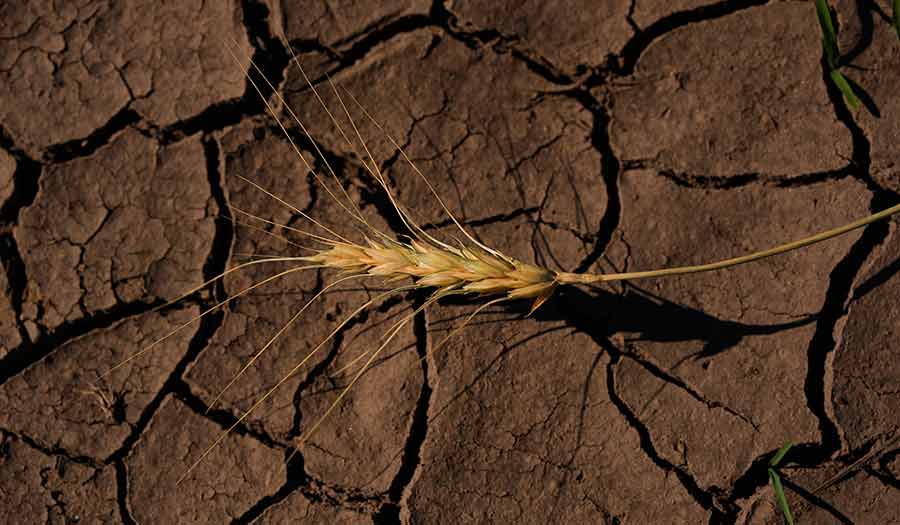
Drought has been the main driver of food insecurity, compounded by growing poverty, lack of access to clean water and to medical care, need for greater vaccination for diseases like measles that hit malnourished children.