In a First, Somalia-based al-Shabab Is Attacking in Ethiopia
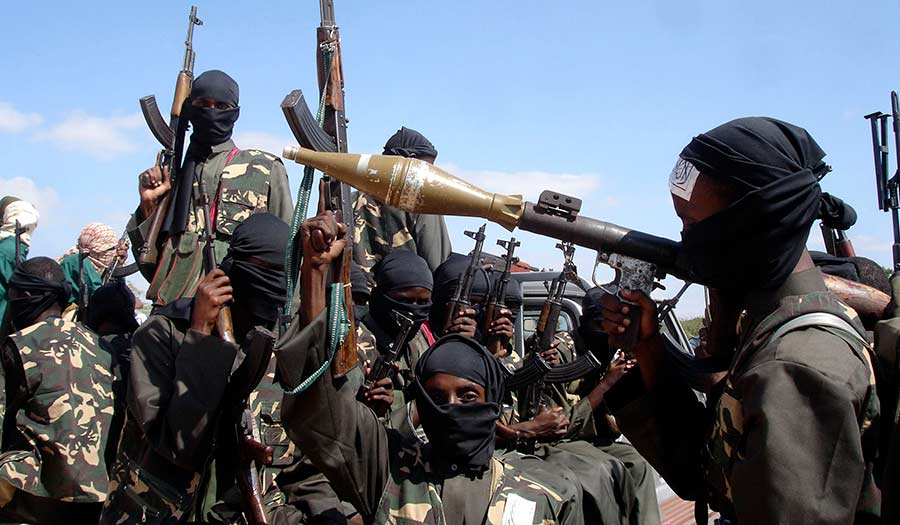
MOGADISHU, Somalia (AP) – The al-Shabab extremist group has exploited Ethiopia’s internal turmoil to cross the border from neighboring Somalia in unprecedented attacks in recent weeks that a top U.S. military commander has warned could continue.
The deadly incursions into Ethiopia, Africa’s second most populous country and long seen as an anchor of security in the Horn of Africa, are the latest sign of how deeply the recent war in the northern Tigray region and other ethnic fighting have made the country more vulnerable.
Ethiopia has long resisted such cross-border attacks by the al-Qaida-linked al-Shabab, in part by deploying troops inside Somalia, where the extremist group controls large rural parts of the country’s southern and central regions. But the government of Prime Minister Abiy Ahmed and its security forces have struggled with unrest at home especially since the Tigray conflict began in late 2020.
Experts say al-Shabab, also emboldened by instability under Somalia’s previous administration, is seizing the chance to expand its footprint and claim the killing of scores of Ethiopian security forces. But the group is also feeling the pressure of a renewed push by Somalia’s new government and the return of U.S. forces to the country after their withdrawal by former President Donald Trump.
The turn to Ethiopia is a significant strategic shift by al-Shabab, Matt Bryden, a security analyst with the Sahan Foundation think tank, told The Associated Press. The extremist group had never been able to conduct major operations inside Ethiopia.
“The reports of clashes along the Ethiopia-Somalia border are just a fraction of the overall picture,” Mr. Bryden said. “We understand that planning for this offensive began more than one year ago, when the Ethiopian government appeared to be on the verge of collapse” as rival Tigray forces pushed toward the capital, Addis Ababa. Those forces later retreated, and both sides are edging toward peace talks.
Al-Shabab has trained several thousand fighters for its Ethiopian “command,” mainly ethnic Somalis and Oromos inside Ethiopia, Mr. Bryden asserted. Ethiopia’s federal government has said it fears al-Shabab will link up with the Oromo Liberation Army, which it has designated a terror organization, though other security experts have called that unlikely.
Hundreds of al-Shabab fighters were able to slip into Ethiopia last week alone and their presence has been detected near multiple communities. The incursions began in late July.
Somalia’s previous president, Mohamed Abdullahi Mohamed, avoided any major confrontation with al-Shabab. But new President Hassan Sheikh Mohamud has said his government will take the offensive against the group’s thousands of fighters, with the backing of returning U.S. forces.
“Al-Shabab therefore faces a much greater military challenge in Somalia than before and has therefore embarked on this Ethiopian campaign in order to preserve some of its forces and establish strategic depth,” Mr. Bryden said.
He warned that if al-Shabab establishes a stronghold in southeastern Ethiopia, “the consequences for peace and security in the region could be very serious indeed.” The fighters would be well-positioned to strike deeper into Ethiopia, into Kenya and even as far as Uganda to the west. Al-Shabab has carried out several high-profile deadly attacks inside Kenya over the years.