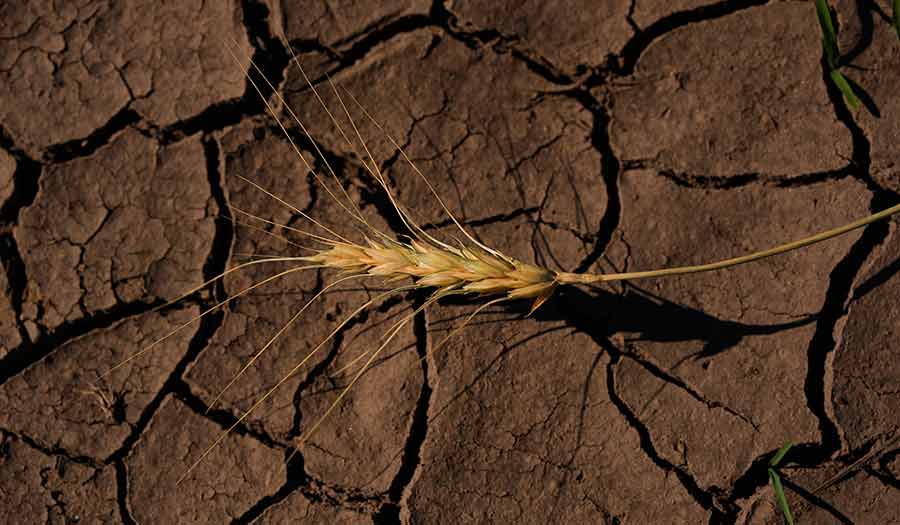
Explainer: Why Weeks of Rain in California Will Not End Historic Drought
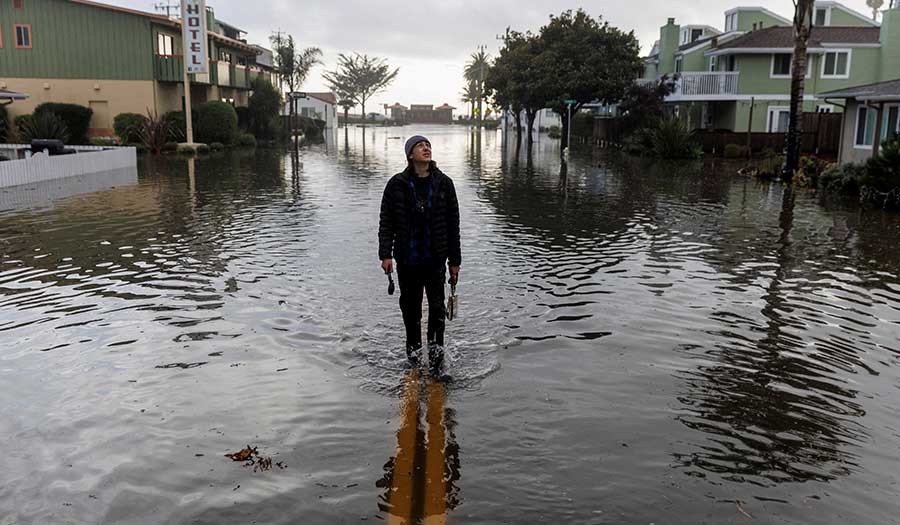
California has been deluged since December 26 by seven atmospheric rivers that have dumped up to 30 inches of rain over some areas, but the drought that has gripped the western United States remains far from over.
Virtually none of the storms has reached the Colorado River basin, which means the river that provides drinking water to 40 million people in seven states will continue to be endangered.
Even with more atmospheric rivers in the immediate forecast, and larger and more frequent ones predicted in the future, California cannot solve its long-term water crisis without major infrastructure investments to capture more stormwater, restore flood plains and recycle wastewater.
Meanwhile, California’s $50 billion agricultural industry continues to consume 80 percent of the state’s supply.
Weather Whiplash
As California experiences more severe droughts and heat waves, its occasional wet years are expected to be excessively rainy. But the state’s water infrastructure, mostly built in the 20th Century when the population was barely half of today’s 40 million, is ill-equipped for the new situation.
On December 14, the Metropolitan Water District of Southern California declared a drought emergency for all 19 million people in the region. A few weeks later, the state was underwater with major flooding.
Despite a deluge that by one estimate has been expected to dump more than 20 trillion gallons, the state’s major reservoirs remain well below their historic average. The largest reservoirs, at Shasta and Oroville, are still at 42 percent and 47 percent of capacity, according to state data.
The shortfall underscores the severity of the drought. A report published in the journal Nature last year found 2000 to 2021 to be the driest 22-year period for southwestern North America in at least 1,200 years.
Infrastructure Deficit
The state’s infrastructure, largely a network of cement canals, lacks the capacity to capture excess stormwater.
Irrigation and flood control projects were largely designed to convey water as quickly as possible in straight lines. That deprives flood plains of water taking a natural meandering path that would better protect adjacent cities from floods while also helping recharge the aquifer below.
With temperatures rising, snowpack in the mountains is melting more rapidly each spring, and the state lacks enough storage capacity to conserve the runoff.
California Governor Gavin Newsom plans to ramp up infrastructure spending, including $8.6 billion budgeted for drought and flood management next year. Billions more are available under a major U.S. infrastructure law signed by President Joe Biden in 2021.
But until that money is converted to projects, excess stormwater will continue to drain into the Pacific Ocean.
Colorado River Under Stress
Arid Southern California relies on two external sources to slake its thirst: aqueous Northern California, through massive state and federal conveyance systems; and the Colorado River, under a century-old compact that assigns its water to seven states, with California receiving the largest allotment.
But the compact was written after an unusually wet period, assigning the states more water than the river can now provide. Even as the Colorado River basin faces its own drought, and the atmospheric rivers provide no relief, the Colorado River suffers more from overuse than from a lack of precipitation.
The U.S. Bureau of Reclamation has warned the seven states in the compact—Arizona, California, Colorado, Nevada, New Mexico, Utah and Wyoming—that they must negotiate a new agreement to reduce consumption by 15 to 30 percent by January 31 or else face mandatory cuts imposed by the federal government.
This report contains information from Reuters.