‘What Can We Do?’: Millions in African Countries Need Power
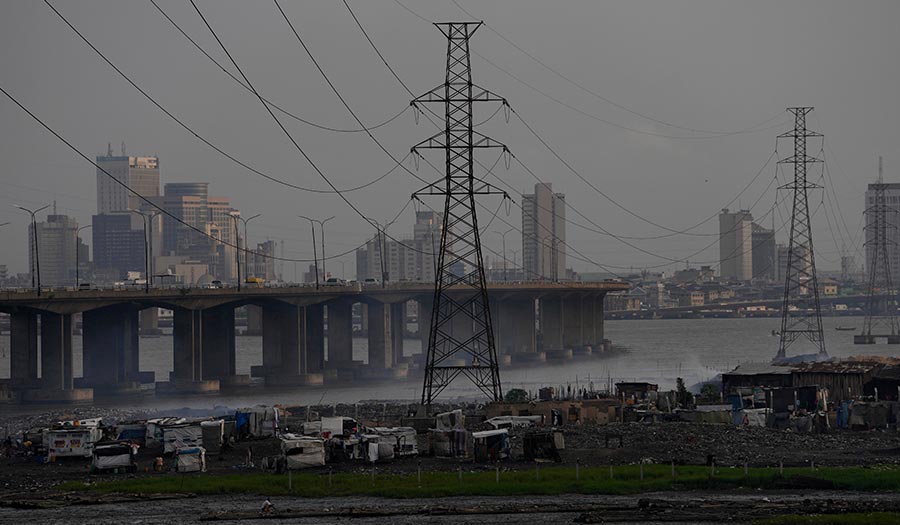
JOHANNESBURG (AP) – From Zimbabwe, where many must work at night because it’s the only time there is power, to Nigeria, where collapses of the grid are frequent, the reliable supply of electricity remains elusive across Africa.
The electricity shortages that plague many of Africa’s 54 countries are a serious drain on the continent’s economic growth, energy experts warn.
In recent years, South Africa’s power generation has become so inadequate that the continent’s most developed economy must cope with rolling power blackouts of eight to 10 hours per day.
Africa’s sprawling cities have erratic supplies of electricity, but large swaths of the continent’s rural areas have no power at all. In 2021, 43 percent of Africans—about 600 million people—lacked access to electricity, with 590 million of them in sub‐Saharan Africa, according to the International Energy Agency.
Investments of nearly $20 billion are required annually to achieve universal electrification across sub-Saharan Africa, according to World Bank estimates. Of that figure, nearly $10 billion is needed annually to bring power and keep it on in West and Central Africa.
There are many reasons for Africa’s dire delivery of electricity including ageing infrastructure, lack of government oversight and a shortage of skills to maintain the national grids, according to Andrew Lawrence, an energy expert at the Witwatersrand University Business School in Johannesburg.
A historical problem is that many colonial regimes built electrical systems largely reserved for the minority white population and which excluded large parts of the Black population.
Today many African countries rely on state-owned power utilities.
Much attention has focused in the past two years on the Western-funded “Just Energy Transition,” in which France, Germany, the United Kingdom, the United States and the European Union are offering funds to help poorer countries move from highly polluting coal-fired power generation to renewable, environmentally friendly sources of power. Africa as a region should be among the major beneficiaries in order to expand electricity access on the continent and improve the struggling power grids, said Mr. Lawrence.
“The transition should target rural access and place at the forefront the electrification of the continent as a whole. This is something that is technically possible,” he said.
The Western powers vowed to make $8.5 billion available to help South Africa move away from its coal-fired power plants, which produce 80 percent of the country’s power.
As a result of its dependence upon coal, South Africa is among the top 20 highest emitters of planet-warming greenhouse gases in the world and accounts for nearly a third of all of Africa’s emissions, according to experts.
South Africa’s plan to move away from coal, however, is hampered by its pressing need to produce as much power as possible each day.
The East African nation of Uganda for years has also grappled with power cuts despite massive investment in electricity generation.
Nigeria, Africa’s most populous country, has grappled with an inadequate power supply for many years, generating just 4,000 megawatts though the population of more than 210 million people needs 30,000 megawatts, say experts. The oil-rich but energy-poor West African nation has ramped up investments in the power sector, but endemic corruption and mismanagement have resulted in little gains.
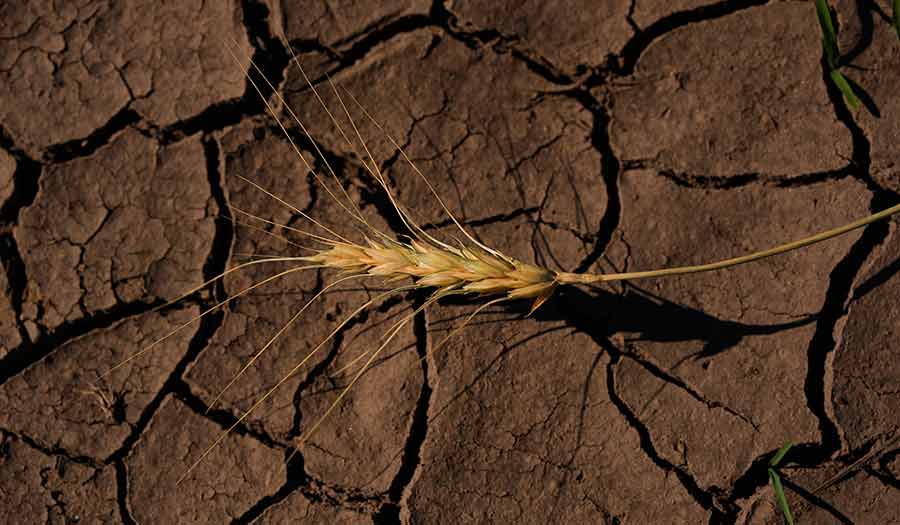
In Zimbabwe, electricity shortages that have plagued the country for years have worsened as the state authority that manages Kariba, the country’s biggest dam, has limited power generation due to low water levels.
Successive droughts have reduced Lake Kariba’s level so much that the Kariba South Hydro Power Station, which provides Zimbabwe with about 70 percent of its electricity, is currently producing just 300 megawatts, far less than its capacity of 1,050 megawatts.
Zimbabwe’s coal-fired power stations that also provide some electricity have become unreliable due to aging infrastructure marked by frequent breakdowns. The country’s solar potential is yet to be fully developed to meaningfully augment supply.
This means that Harare barber Omar Chienda never knows when he’ll have the power needed to run his electric clippers.
“What can we do? We just have to wait until electricity is back but most of the time it comes back at night,” said Mr. Chienda, a 39-year-old father of three. “That means I can’t work, my family goes hungry.”
In Nigeria’s capital city of Abuja, restaurant owner Favour Ben, 29, said she spends a large part of her monthly budget on electricity bills and on petrol for her generator, but adds that she gets only an average of 7 hours of power daily.
“It has been very difficult, especially after paying your electricity bill and they don’t give you light.” said Ms. Ben. “Most times, I prepare customers’ orders but if there is no light [power for a refrigerator], it turns bad the next day [and] I have lost money for that.”
Businesses in Nigeria suffer an annual loss of $29 billion as a result of unreliable electricity, the World Bank said, with providers of essential services often struggling to keep their operations afloat on generators.
As delegates gathered in Cape Town this month to discuss Africa’s energy challenges, there was a resounding sentiment that drawn-out power shortages on the continent had to be addressed urgently. There was some hope that the Western-funded “Just Energy Transition” would create some opportunities, but many remained skeptical.
Among the biggest critics of efforts to have countries like South Africa transition quickly from the use of coal to cleaner energy is South Africa’s Minister of Mineral Resources and Energy Gwede Mantashe.
He is among those advocating that Africa use all sources available to it to produce adequate power for the continent, including natural gas, solar, wind, hydropower and especially coal.
“Coal will be with us for many years to come. Those who see it as corruption or a road to whatever, they are going to be disappointed for many, many years,” said Mr. Mantashe. “Coal is going to outlive many of us.”