5 Takeaways From the Global Negotiations on a Treaty to End Plastic Pollution
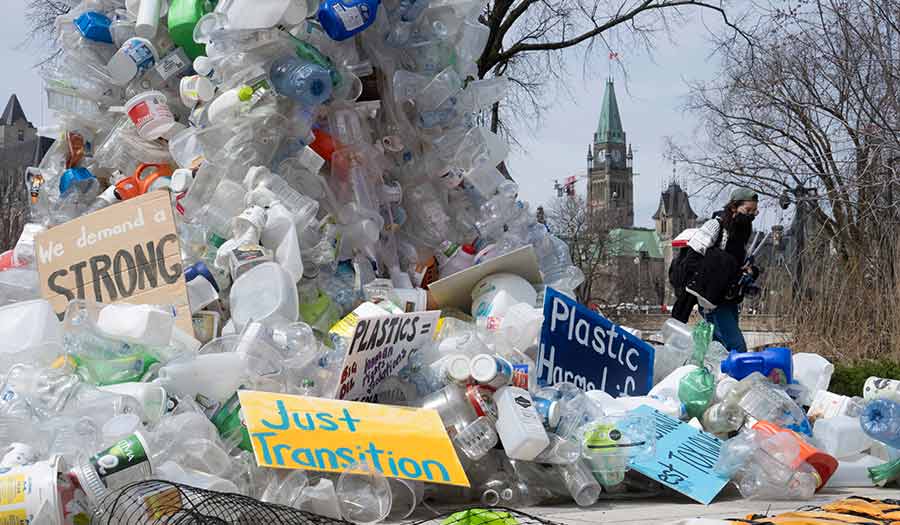
OTTAWA, Ontario (AP) – The world’s nations finished a round of negotiations early Tuesday on a treaty to end plastic pollution and made more progress than they have in three prior meetings.
Coming into Ottawa, many feared the effort would stall to craft the first legally binding treaty on plastics pollution, including in the oceans. The last meeting was marred by disagreements and there was much left to do.
But instead, there has been a “monumental change in the tone and in the energy,” said Julie Dabrusin, a Canadian parliamentary secretary.
It was the fourth Intergovernmental Negotiating Committee on Plastic Pollution session. For the first time, the nations began negotiating over the text of what is supposed to become a global treaty. They agreed to keep working between now and the next and final committee meeting this fall in South Korea.
“We are working toward a world where we won’t have plastic litter everywhere in our ecosystems,” Jyoti Mathur-Filipp, the executive secretary of the committee, said in an interview. “The energy is there, the will is there and I know we will get an instrument by the end of the year.”
Here are some of the biggest takeaways from the meeting.
Nations Are Negotiating
The talk shifted in Ottawa from sharing ideas to negotiating treaty language. Finally, said Santos Virgilio, Angola’s chief negotiator. Time was wasted in previous meetings, Mr. Virgilio said, but this time many arguments had been exhausted and it was time to find solutions.
“It’s big, because we have been going round and round during these sessions without showing direction,” he said in an interview. “But at least now, people are showing, OK, they have goodwill.”
Limiting How Much Plastic Is Made Is on the Table
Most contentious is the idea of limiting how much plastic is manufactured globally. Currently, that remains in the text over the strong objections of plastic-producing countries and companies and oil and gas exporters. Most plastic is made from fossil fuels and chemicals.
Graham Forbes, head of the Greenpeace delegation in Ottawa, said massively reducing plastic production is the most important thing the treaty can do because it is impossible to end plastic pollution otherwise.
Plastic production continues to ramp up globally and is projected to double or triple by 2050 if nothing changes. Plastic producers and chemical companies want a treaty that focuses on recycling plastic and reuse, sometimes referred to as “circularity.”
Treaty Work Will Continue Until the Next Meeting
The negotiators agreed to keep working on the treaty in the coming months. Expert working groups will collect information and expertise to inform the negotiations at the final meeting in South Korea in the fall.
Without this preparation work between meetings, it would’ve been daunting to complete the negotiations this year.
The topics they will work on in between sessions are one indication of their priorities for the final round of talks. Plastic production will not be a focus for the working groups. Instead, they will focus on how to finance the implementation of the treaty, assess the chemicals of concern in plastic products and look at how products are designed.
Environmental groups were frustrated that production cuts will not be part of the work between now and the fall meeting.
Many Bore Witness to Plastic Pollution
Waste pickers have been on the frontlines of trying to solve plastic pollution for decades, said John Chweya, a 33-year-old waste picker representing Kenyan waste pickers.
They collect, sort, recycle and sell plastics that would otherwise pile up or be burned. They are exposed to hazardous materials and can suffer from respiratory illnesses, skin infections and other diseases. They want a treaty that recognizes the role they play and helps waste pickers transition to safer jobs.
“We’ve given this problem that this treaty is trying to solve our lives,” Mr. Chweya said.
In Malawi, Tiwonge Mzumara-Gawa sees plastic bags littering the lands where goats and cows graze and people burning waste behind their homes because there is no waste collection. She believes it will take a global agreement for the national government to do more to address plastic pollution. Ms. Mzumara-Gawa is a campaigner for the Christian charity Tearfund.
Negotiators Aim to Finalize Treaty This Fall
They plan to finish negotiating in South Korea so the treaty can be adopted next year at a diplomatic conference. It is an extremely short timeline for negotiations, meant to match the urgency of the problem.
Ms. Dabrusin, of Canada, said she is more hopeful than ever that an ambitious treaty to end plastic pollution will be adopted on schedule. Over the past week, she said she has heard from so many people that this is what they want—from businesses and environmental advocates to waste pickers and residents of communities littered with plastic.
“We’re hearing many voices coming together,” she said. “That’s a beautiful moment when you can see that synergy, that it’s economic, it’s environmental, it’s for health reasons. And there is that momentum right now.”