Hungry in America: Exploring the Food Desert Crisis
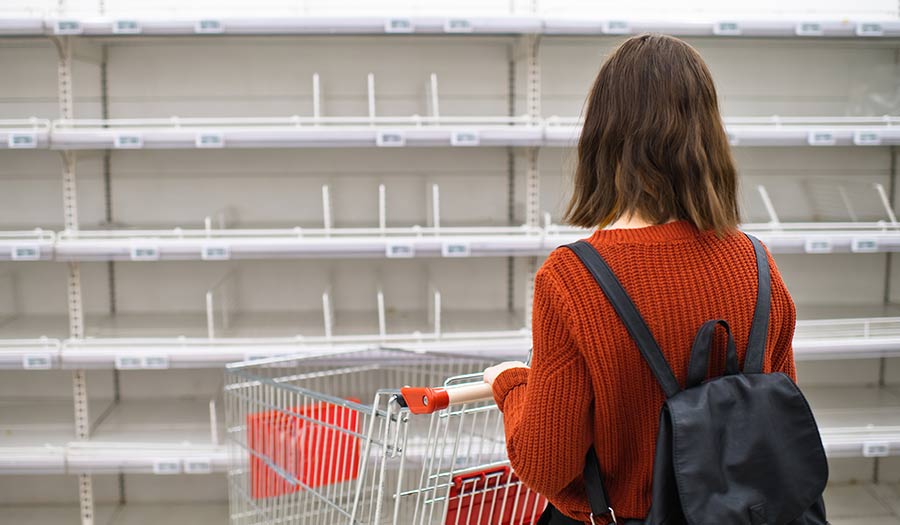
Associated Press – Food deserts—areas where affordable, plentiful and nutritious food is not readily available—are a problem in America, leaving millions of people without convenient access to healthy food.
Food insecurity affects many Americans in communities throughout the country. Although food insecurity occurs for a number of reasons, one cause is a lack of access to food, particularly fresh fruits and vegetables, despite having the means to buy it.
According to the USDA, a food desert occurs when more than 33 percent of the population in urban spaces is further than one mile from a supermarket. In a rural setting, 33 percent of people must be more than 10 miles from a supermarket. By this standard, over 18 million people lived in food deserts in 2019.
Groups tackling food insecurity, like the Food Empowerment Project, note that lack of access to food goes beyond the distance a family lives from the grocery store. Lack of public transit to get to a grocery store, understocked stores and high food prices all contribute to difficulty accessing food.
Food deserts exist in both urban and rural communities. According to Verywell Health, over one-fifth of people living in urban areas and one-third of people in rural areas are in food deserts.
In both environments, food deserts limit access to healthy foods, including fruits, vegetables and whole grains. This could be due to the driving distance to a supermarket which becomes more challenging for households without cars. Access to healthy food could also be reduced by the lack of options in stores and high prices. With a limited supply, the cost of fresh foods can be prohibitively high for low-income families.
The stores and restaurants that do exist in food deserts often have more limited choices. Stores selling groceries in a food desert are more likely to be convenience stores or dollar stores, which offer limited selections because they are more willing to operate in areas with lower economic activity and population density. These stores require less space and investment compared to full-scale grocery stores, making them more feasible in such areas.
Some of these stores may not carry fresh fruits and vegetables or they might only offer single-serve items that are not cost-effective. The lack of selection can also make it difficult to meet dietary restrictions. Food deserts restrict choices for vegetarians, vegans and those who are dairy-free, gluten-free, kosher or halal.
Understanding the Consequences
In addition to food insecurity, health issues are one of the most pressing concerns for those living in food deserts. Because of the prevalence of convenience stores and fast food restaurants in these areas, processed foods are easier and cheaper to obtain. This results in diets that are high in fats, salt and sugar while also low in nutrients.
This diet contributes to an increased risk of obesity, diabetes, hypertension and other health challenges. The lack of essential nutrients can cause fatigue, depression and delayed growth. Poor nutrition also correlates to a higher chance of complications during pregnancy.
The past few years have seen many changes in food availability and cost around the country. Frequent supply chain interruptions have resulted in shortages. Rapid inflation has increased grocery prices dramatically, causing homes to cut back on unnecessary spending. Online ordering, faster shipping and emerging delivery services have also changed how people shop.
Food shortages and increasing prices have put additional strain on the already limited resources in food deserts. Meanwhile, the convenience of online shopping and delivery has not offset the challenges of food deserts. In rural areas, grocery delivery is not widely available. Where it is available, the extra cost of shipping or delivery often makes it inaccessible.
What Can You Do?
Many Americans are turning towards food preservation methods to reduce their grocery bill and number of trips to the store. Buying frozen fruits and vegetables makes it easier to get essential nutrients. Canned vegetables are a cheaper alternative to fresh vegetables that still provide essential nutrients.
You can also buy produce in season and freeze it yourself. Freezing foods makes it possible to buy fruits, veggies, meat, bread and other staples in bulk. It is even possible to freeze raw eggs. When financially possible, buying in bulk and freezing extra lets households keep nutritious food on hand without requiring multiple grocery store trips.
For those living in food deserts, planting a small space garden can be a low-effort way to supplement fresh fruits and vegetables. Organizing farmers’ markets or community gardens can help provide produce in place of supermarkets while also supporting the local economy.
Creating and contributing to food pantries is another way communities lessen food insecurity for low-income households in a food desert. Yet where supermarkets are scarce, food pantries tend to be limited as well.
To learn much more, read Feast and Famine in America.