Cocaine Trade in the Rugged Micay Canyon Threatens Colombia’s Peace Efforts
EL PLATEADO, Colombia (AP) – El Plateado in the rugged mountains of southwestern Colombia might seem like a typical community in the countryside—until you hear the bursts of machine-gun fire and mortar blasts in the distance.
The remote town of 12,000 people lies in the Micay Canyon, where rebel groups have entrenched over the past two years despite efforts by Colombian President Gustavo Petro to negotiate peace deals with these irregular armies under a strategy known as total peace.
The canyon is currently a bastion of a rebel faction that broke away from the former Revolutionary Armed Forces of Colombia, or FARC, and that has been attacking military positions while the army responds with heavy infantry.
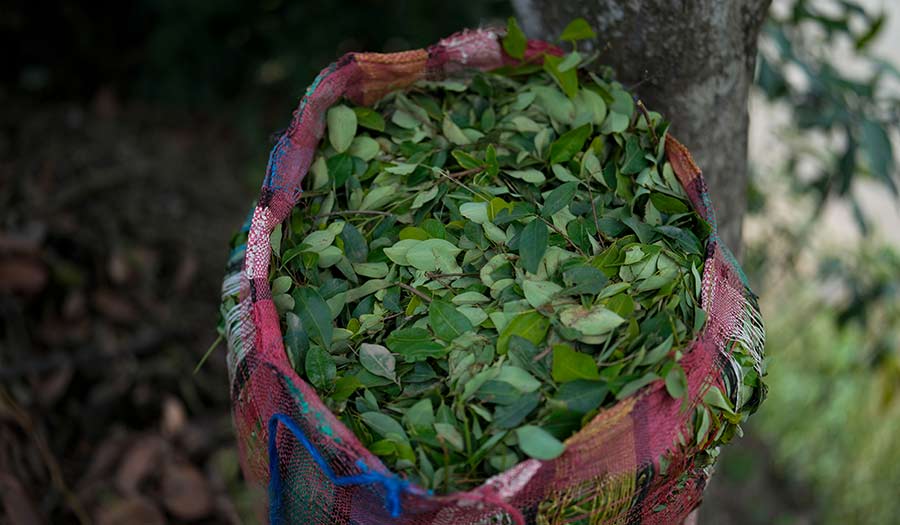
“It hurts me to see my children growing up amid this war,” said Edilma Acuechantre, a 34-year-old woman who makes a living from picking coca leaves at local farms that sell the harvest to drug traffickers who turn it into cocaine.
She said she keeps a small backpack with clothes, soap and toothbrushes in her wooden house, in case she needs to quickly flee her village.
The Micay Canyon plays a key role in the illicit trade of both drugs and weapons.
It connects the Andes mountains and the Pacific Ocean along dozens of remote trails used to bring cocaine to small ports where it is loaded unto home-made submarines heading to Central America. Experts say it also serves as a corridor to bring weapons into the interior of Colombia.
The former FARC faction, known by its initials in Spanish FARC-EMC, has set up roadblocks to control parts of the Micay Canyon region, and guards coca leaf farms on its mountainsides.
Fighting between the rebels and the army mainly takes place on the hillsides, but the sounds of the confrontation can be heard from El Plateado, where residents try to maintain normal lives, selling things, working in stores, going to pick leaves at the coca farms.
It’s been almost eight years since Colombia’s government signed a peace deal with the FARC that was seen as a crucial step toward ending decades of rural violence in the South American country.
Under the 2016 agreement, more than 14,000 fighters laid down their weapons and formed a political party that was given ten guaranteed seats in Colombia’s congress.
The rebel fighters stopped taxing cocaine producers, handing out sentences to thieves in small villages, and watching over illegal mines.
But experts say that Colombia’s government was too slow to fill the power vacuum left by the retreating rebels, and now a host of smaller groups that include the FARC-EMC, National Liberation Army, and the Gulf Clan are fighting to take over rural areas that were formerly under FARC control, like the Micay Canyon.
This threatens to undo years of progress in peacebuilding in Colombia.
Most members of the FARC-EMC withdrew from peace talks with Petro’s administration in April, after the government blamed the group for killing an indigenous leader and suspended a ceasefire. The FARC-EMC had also expressed growing frustration with efforts by the government to patrol villages in the canyon and seize drug shipments.
President Petro has called the area “the great cocaine stock market” of the FARC-EMC, and he said that the canyon provides the group with one of its main sources of financing.
The president has said he wants to take over the canyon in order to offer development projects to farmers who currently rely on coca crops.
Kevin Andres Arcos, president of the community council in the town of El Plateado, says most of the town’s inhabitants make a living from harvesting or planting coca leaves.
The region’s poor roads make any other kinds of crops unprofitable, Mr. Arcos said.