Death Toll from Spanish Floods Climbs as Shock Turns to Anger and Frustration
CHIVA, Spain (AP) – The death toll from historic flash floods in Spain climbed to least 205 people Friday, with many more believed to be missing, as the initial shock gave way to anger, frustration and a wave of solidarity.
Spanish emergency authorities said 202 of the victims were in the eastern region of Valencia, and officials warned that more rain is expected in the coming days.
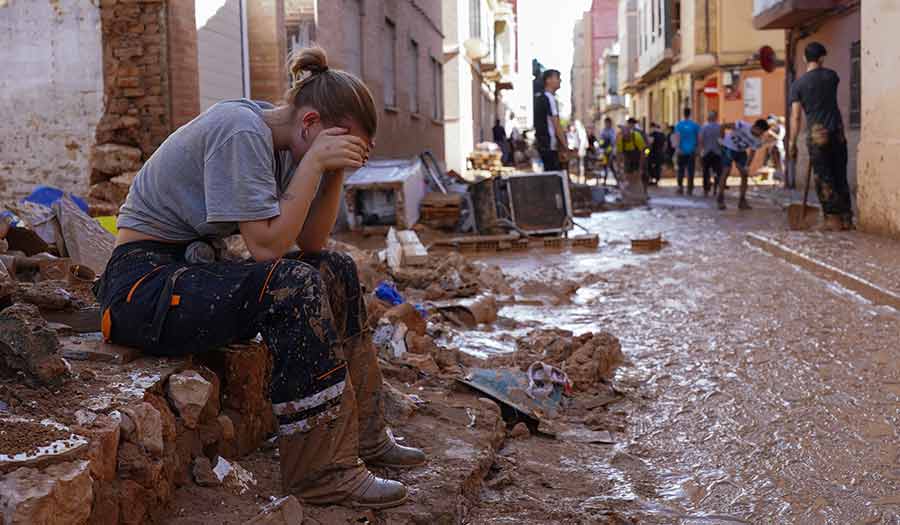
The damage from the storm Tuesday and Wednesday recalled the aftermath of a tsunami, with survivors left to pick up the pieces as they mourn loved ones lost in Spain’s deadliest natural disaster in living memory. Many streets were still blocked by piled-up vehicles and debris, in some cases trapping residents in their homes. Some places still do not have electricity, running water or stable telephone connections.
“The situation is unbelievable. It’s a disaster and there is very little help,” said Emilio Cuartero, in Masanasa, on the outskirts of Valencia city. “We need machinery, cranes, so that the sites can be accessed. We need a lot of help. And bread and water.”
In Chiva, residents were clearing debris from mud-filled streets. The Valencian town received more rain in eight hours on Tuesday than it had in the preceding 20 months, and water overflowed a gully that crosses the town, tearing up roads and homes.
The mayor, Amparo Fort, told RNE radio that “entire houses have disappeared, we don’t know if there were people inside or not.”
So far, 205 bodies have been recovered—202 in Valencia, two in neighboring Castilla La Mancha and one in Andalusia in the south. Members of the security forces and 1,700 soldiers from the emergency unit are searching for an unknown number of missing people. Officials fear more bodies could be found in wrecked vehicles and flooded garages.
Guardia Civil has rescued more than 4,500 people trapped by the floods, said Interior Minister Fernando Grande-Marlaska in a news conference from Valencia.
The regional authorities, who are in charge of the response to the tragedy, asked the central government to mobilize an additional 500 soldiers, who will be deployed on Saturday.
“I have been there all my life, all my memories are there, my parents lived there...and now in one night it is all gone,” Chiva resident Juan Vicente Perez told The Associated Press near the place he lost his home. “If we had waited five more minutes, we would not be here in this world.”
Before-and-after satellite images of the city of Valencia illustrated the scale of the catastrophe, showing the transformation of the Mediterranean metropolis into a landscape inundated with muddy waters. The V-33 highway was completely covered in a thick, brown layer of mud.
The tragedy has unleashed a wave of solidarity across the country. Throughout the morning, hundreds of residents have been arriving on foot in the worst affected areas, carrying water, essential products, shovels and brooms to help remove the mud. The number of people coming to help is so high that the authorities have asked them not to drive or walk there, because they are blocking the roads needed by the emergency services.
“It is very important that you return home,” said regional president Carlos Mazon, who thanked the volunteers for their goodwill.
Other than volunteer contributions, local governments have begun distributing water, food and basic products in schools, town halls and sports venues.
The Red Cross used its vast network of aid to help those affected by the floods. Since Tuesday, it has carried out more than 3,500 interventions, half of them in 13 of the shelters set up by the authorities, to distribute food, blankets and hygiene products, and to provide internet access.
‘There will be quite serious consequences. People who were already vulnerable will be even more, and we are going to find new needs because there are people who have lost their livelihoods,’ said Ana Gomez, spokesperson for the Red Cross in Valencia.
And more storms are expected. Skies in Valencia were partially sunny on Friday, but the Spanish weather agency issued alerts for strong rains in the region as well as the coast of Huelva, Andalusia; Tarragona, in Catalonia; and part of the Balearic Islands.
The storm cut power and water services on Tuesday night, but about 85 percent of 155,000 affected customers had their power back on by Friday, the utility said in a statement.
“This is a disaster. There are a lot of elderly people who don’t have medicine. There are children who don’t have food. We don’t have milk, we don’t have water. We have no access to anything,” a resident of Alfafar, one of the most affected towns in south Valencia, told state television station TVE. “No one even came to warn us on the first day.”
Juan Ramon Adsuara, the mayor of Alfafar, said the aid isn’t nearly enough for residents trapped in an “extreme situation.”
“There are people living with corpses at home. It’s very sad. We are organizing ourselves, but we are running out of everything,” he told reporters. “We go with vans to Valencia, we buy and we come back, but here we are totally forgotten.”
Rushing water turned narrow streets into death traps and spawned rivers that tore through homes and businesses, leaving many uninhabitable. Authorities have arrested people accused of looting shops.
Social networks have channeled the needs of those affected. Some posted images of missing people in the hope of getting information about their whereabouts, while others launched initiatives such as Suport Mutu—or Mutual Support—which connects requests for help with people who are offering it. Others organized collections of basic goods nationwide and launched fundraisers.
Spain’s Mediterranean coast is used to autumn storms that can cause flooding, but this was the most powerful flash flooding in recent memory.
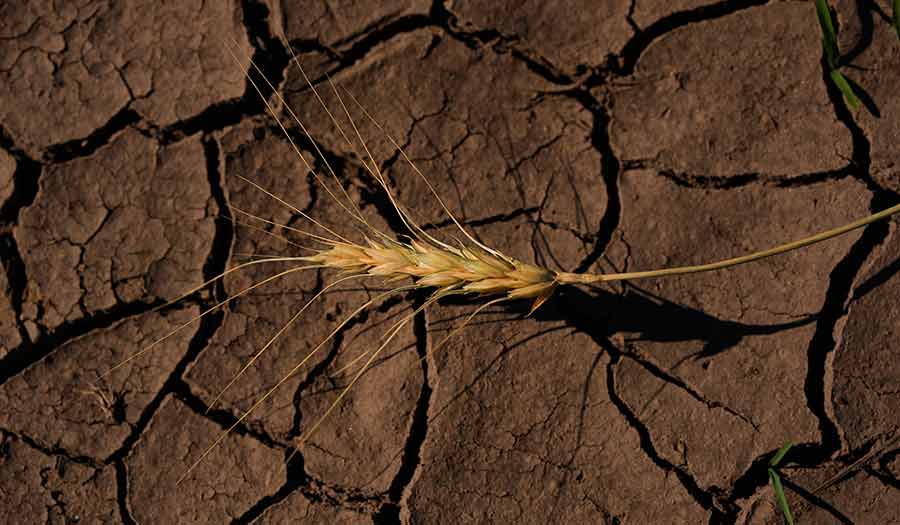
Spain has suffered through an almost two-year drought, making the flooding worse because the dry ground was so hard that it could not absorb the heavy rain.
In August 1996, a flood swept away a campsite along the Gallego river in Biescas, in the northeast, killing 87 people.