Sudan Faces the World’s Worst Humanitarian Crisis as Second Anniversary of War Nears, UN Says
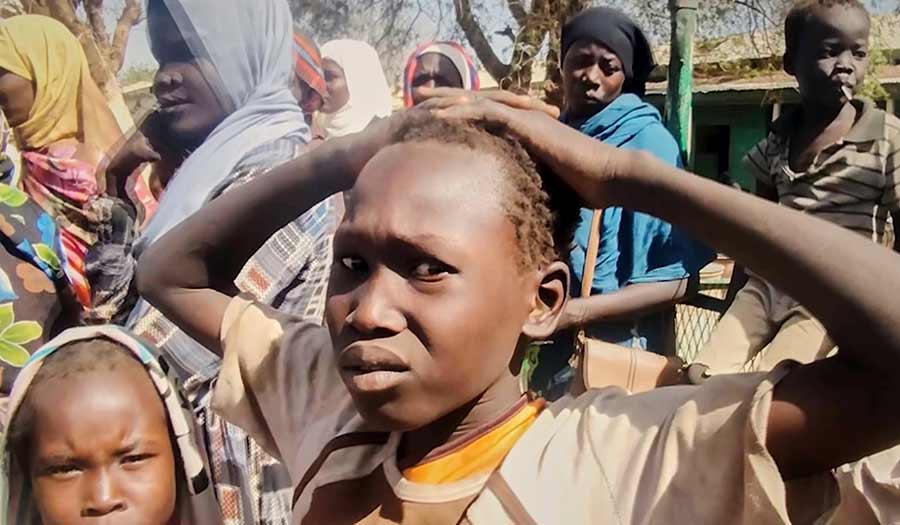
UNITED NATIONS (AP) – A nearly two-year-old war has engulfed Sudan in the world’s largest humanitarian crisis and led the African country to become the only nation experiencing famine, a senior UN official said Thursday.
Nearly 25 million people—half of Sudan’s population—face extreme hunger, while people are dying in famine-hit areas in western Darfur, said Shaun Hughes, the World Food Program’s emergency coordinator for Sudan and the region.
Sudan plunged into conflict on April 15, 2023, when long-simmering tensions between its military and paramilitary leaders broke out in the capital, Khartoum, and spread to other regions, including the vast western Darfur region.
Since then, at least 20,000 people have been tallied as being killed, though the number is likely far higher.
“By any metric, this is the world’s largest humanitarian crisis,” Mr. Hughes told UN reporters, pointing to over 8 million people displaced within Sudan and 4 million who have fled across borders to seven countries that also face hunger and need humanitarian aid.
Famine was initially confirmed last August in Zamzam camp in North Darfur, where about 500,000 people sought refuge, but Mr. Hughes said it has since spread to 10 other areas in Darfur and Kordofan. He said 17 other areas are at risk of famine in coming months.
“The scale of what is unfolding in Sudan threatens to dwarf anything we have seen in decades,” Mr. Hughes said.
He warned in a video press conference from Nairobi that “tens of thousands more people will die in Sudan during a third year of war unless WFP and other humanitarian agencies have the access and the resources to reach those in need.”
Late last month, the Sudanese military regained control over Khartoum, a major symbolic victory in the war. But the rival Rapid Support Forces paramilitary group still controls most of Darfur and some other areas.
Mr. Hughes said what’s happening in Zamzam camp, which is caught in the conflict, is “horrific”—as is the situation in North Darfur’s capital, El Fasher, which has been besieged by the RSF since May 2024. It is the only capital in Darfur that the RSF does not hold.
Mr. Hughes said WFP receives daily reports from its humanitarian partners and contacts on the ground in North Darfur “that excess mortality is occurring as a result of the famine.”
While WFP has not been able to reach Zamzam with a convoy since October, he said the agency has been able to help some 400,000 people there, in El Fasher and other camps, by transferring cash digitally into people’s bank accounts so they can buy food and other items. However, this is only possible where markets exist.
Mr. Hughes said WFP’s assistance to Sudanese people in need has tripled since mid-2024 and that the agency is now reaching over 3 million per month, mainly through a surge in the use of digital cash transfers.
WFP said it wants to help 7 million people in Sudan in the next six months but needs $650 million.
Mr. Hughes was asked whether Trump administration funding cuts were responsible for any of that needed amount. He replied: “All allocations that the U.S. government has made to Sudan remain effective, for which we are grateful.”
WFP said it needs an additional $150 million to help people who have fled to Chad, South Sudan, Central African Republic and elsewhere.
“Without funding we either cut the number of people receiving assistance, or cut the amount of assistance we provide people,” Mr. Hughes said. “That’s already happening.”