Mit kell tudni az Izrael és Irán közötti konfliktusról, valamint az amerikai beavatkozásról
ATHEN, Görögország (AP) – Donald Trump elnök és más magas rangú amerikai tisztviselők arra kérik Iránt, hogy hagyja fel a megtorlást, és folytassa közvetlen tárgyalásokat az Egyesült Államok három kulcsfontosságú iráni nukleáris létesítmény elleni támadása után.
Az Iszlám Köztársaság az éjszakai bombázásra rakétasorozattal reagált Izrael ellen, de eddig nem tett lépéseket más amerikai szövetségesek vagy amerikai érdekek ellen a Közel-Keleten. Abbas Araghchi külügyminiszter elutasította a diplomáciai felhívást, mondván, hogy az Egyesült Államok átlépett egy "nagyon nagy vörös vonalat", és kitartott, hogy országának joga van megvédeni magát.
Az amerikai csapások egy hetes nyílt konfliktus után történtek Izrael és Irán között, amelyet Izrael hirtelen támadásai indítottak be Irán nukleáris és katonai struktúrája ellen.
Az izraeli csapások június 13-án kezdődtek. Az iráni katonai és nukleáris létesítményeket célozva több magas rangú katonai tisztviselőt és nukleáris tudóst öltek meg. Irán viszonozta azzal, hogy több száz rakétát és drónt lőtt ki Izrael felé, amelyek közül néhány áthatolt az ország híres többszintű légvédelmi rendszerébe. A háború eddig több száz embert ölt meg és több mint 1000-et sebesített meg Iránban, valamint Izraelben két tucat embert és több százat megsebesített.
Irán ragaszkodik hozzá, hogy nukleáris programja csak békés célokra szolgál. Izrael azonban egzisztenciális fenyegetésnek tekinti, és azt mondta, hogy katonai kampánya szükséges ahhoz, hogy megakadályozza Irán atomfegyvert építeni.
Bár az amerikai hírszerző ügynökségek úgy ítélték fel, hogy Teherán nem aktívan hajt végre bomba kiépítésére, Trump úr és izraeli vezetők azzal érveltek, hogy gyorsan összeállíthat egy nukleáris fegyvert, ami közvetlen fenyegetéssé teszi.
A régió az elmúlt két évben feszült volt, mivel Izrael a Hamász militáns csoportját, az iráni szövetségeset, megsemmisítésére törekszik a Gázai övezetben, ahol a háború még mindig tombol a Hamász 2023. október 7-i támadása után Dél-Izraelben.
Íme, amit tudni kell az Izrael és Irán közötti konfliktusról, valamint az Egyesült Államok beavatkozásáról.
Az Egyesült Államok bombázza Iránt
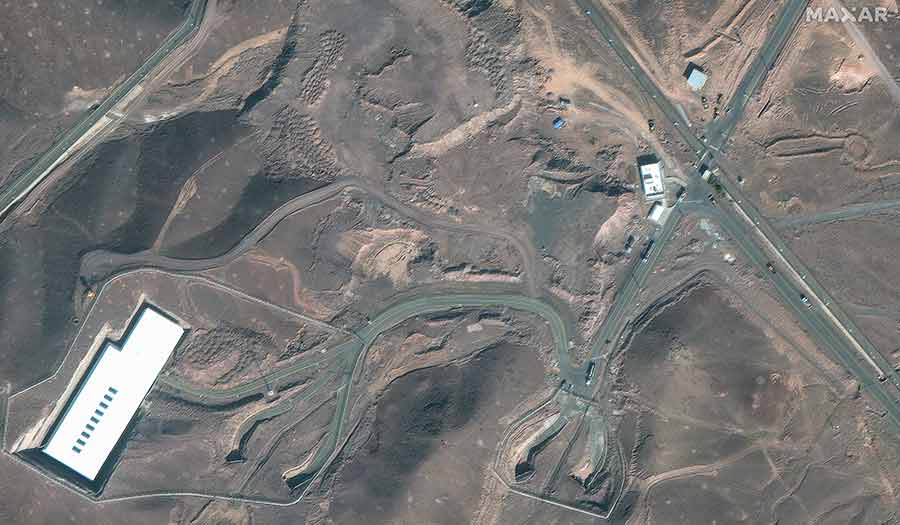
Trump úr egy televíziós beszédben jelentette be az éjszakai "hatalmas precíziós csapásokat" Irán fordoi, iszfaahni és natanzi nukleáris létesítményei ellen. Ezeket "látványos katonai sikernek" nevezte, és azt mondta, hogy "teljesen és teljesen megsemmisítették" a nukleáris létesítményeket. Iránin most békét kell kötnie.
A Vezérkari Főnökök Egyesített Főnökei elnöke, Dan Caine légierő tábornok vasárnap Washingtonban tartott sajtótájékoztatón azt mondta, hogy bár "a végső harci károk időbe telnek", az első értékelések szerint mindhárom nukleáris helyszín súlyosan megsérült.
Pete Hegseth védelmi miniszter elmondta, hogy a csapások nem az iráni kormány megdöntésére irányultak.
"Ez a küldetés nem volt és nem is a rezsimváltásról szólt" – mondta Hegseth úr a sajtótájékoztatón.
Irán Atomenergia Szervezete megerősítette a támadásokat, de ragaszkodott hozzá, hogy nukleáris programját nem fogják megállítani. Irán és az ENSZ nukleáris felügyeleti ügynöksége közölte, hogy a csapások után nem voltak azonnali jelek radioaktív szennyeződésre a három helyszínen.
A fordói nukleáris üzemanyag-dúsító telep mélyen egy hegy alatt van eltemetve, és a támadás ellene bunker-romboló bombákat használtak, amelyek a földet hatolták be a robbanás előtt, mondta egy amerikai tisztviselő, aki névtelenséget kérve beszélt a katonai műveletekről. Csak az Egyesült Államoknak van a 30 000 fontos lőszer és a lopakodó bombázók a szállításukhoz.
Trump figyelmeztetett, hogy további csapások lesznek, ha Teherán visszavág az amerikai erők ellen, míg Benjamin Netanjahu izraeli miniszterelnök dicsérte Trump támadási döntését.
Irán válasza
Irán éjszaka és vasárnap folyamán rakétasorozatot indított Izrael ellen, az izraeli hatóságok szerint több mint 80 ember sérült meg, közülük túlnyomó többsége enyhén megsebesült.
Hogy Teherán hogyan reagálhat, még nem világos, de egy iráni válasz támadáshullámot jelenthet az amerikai erők ellen a Közel-Keleten, egy kulcsfontosságú globális olajellátás szűk keresztmetszetének bezárására vagy nukleáris fegyver fejlesztésének ugrását.
Marco Rubio külügyminiszter azt mondta, hiba lenne, ha az irániak az amerikai bázisokat céloznák meg a régióban vagy azokat az országokat, amelyek fogadják őket.
"Ha a rezsim békét akar, készen állunk a békére. Ha mást akarnak csinálni, hihetetlenül sebezhetőek. Még a saját légterüket sem tudják megvédeni" – mondta Rubio úr a CBS "Face the Nation" című műsorában.
A külügyminisztérium eközben megduplázta az amerikai állampolgárok számára biztosított sürgősségi evakuációs járatok számát, amelyek elhagyni szeretnék Izraelt, elrendelte a nem létfontosságú személyzet távozását az amerikai libanoni nagykövetségről, és fokozza az utazási figyelmeztetéseket a Közel-Keleten, miközben aggódnak a lehetséges megtorló támadások miatt.
Egy "veszélyes eszkaláció"
Antonio Guterres ENSZ főtitkára "súlyosan aggódik" az Egyesült Államok erőalkalmazása miatt, és a csapásokat "veszélyes eszkalációnak" nevezte. A világ vezetői diplomáciára szólítottak fel, és az ENSZ Biztonsági Tanácsa vasárnapi ülést tervezett Irán kérésére.
Az Európai Unió külpolitikai vezetője, Kaja Kallas azt mondta, hogy Irán nem engedheti meg nukleáris fegyvert fejleszteni, de visszafogottságra sürgetett. Kallas asszony hétfőn Brüsszelben vezeti a 27 országból álló blokk külügyminisztereinek ülését, ahol az izraeli–iráni háború kiemelt napirendre kerül.
Az iráni támogatású houthi lázadók Jemenben, akik azzal fenyegetőztek, hogy újraindítják a támadásokat az amerikai hajók ellen a Vörös-tengeren, ha a Trump-kormányzat csatlakozik Izrael katonai hadjáratához, arra szólították fel más muszlim országokat, hogy "egy frontot alakítsanak ki a cionista-amerikai arrogancia ellen."