Az amerikaiak kalóriájuk több mint felét ultra-feldolgozott élelmiszerekből kapják – állítja a CDC jelentése
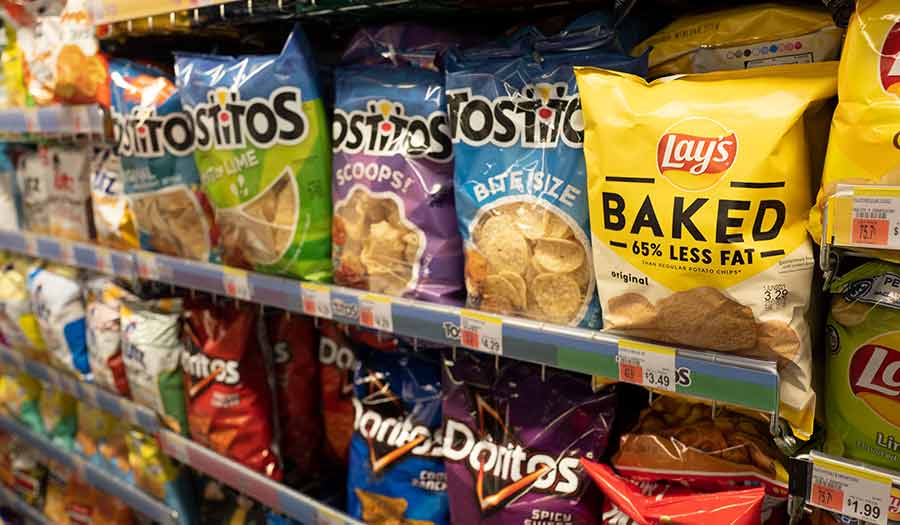
Associated Press – Az amerikai többsége kalóriája több mint felét ultra-feldolgozott élelmiszerekből szerez – szuper ízletes, energiadús ételekből, amelyek általában tele vannak cukorral, sóval és egészségtelenebb zsírokkal – egy új szövetségi jelentés szerint.
A táplálkozási kutatások évek óta kimutatták, hogy az ultra-feldolgozott ételek az Egyesült Államok étrendjének jelentős részét teszik ki, különösen a gyerekek és tinédzserek esetében.
Azonban először igazolta az Egyesült Államok Betegségmegelőzési és Járásügyi Központja (CDC) ezeket a magas fogyasztási szinteket, 2021 augusztusa és 2023 augusztusa között gyűjtött étrendi adatok alapján.
A jelentés akkor érkezik, amikor Robert F. Kennedy Jr. egészségügyi miniszter egyre nagyobb vizsgálatot gyakorol az ilyen élelmiszerekre, aki azokat hibáztatja a krónikus betegségek okozásáért.
"Mérgezjük magunkat, és ez főként ezekből az ultra-feldolgozott élelmiszerekből ered" – mondta Kennedy úr az Fox Newsnak az év elején.
Összességében az 1 éves és idősebb amerikaiak által fogyasztott összes kalória mintegy 55 százaléka ultra-feldolgozott ételekből származott az adott időszakban, a jelentés szerint. A felnőtteknél a ultra-feldolgozott ételek a teljes kalóriafogyasztás mintegy 53 százalékát tették ki, míg a 18 éves korig terjedő gyerekeknél ez közel 62 százalék.
A legfőbb források között voltak hamburgerek és szendvicsek, édes sütemények, sós nassolnivalók, pizza és édesített italok.
A jelentés szerint a kisgyermekek kevesebb kalóriát fogyasztottak ultra-feldolgozott ételekből, mint az idősebbek. A 60 éves és idősebb felnőttek kevesebb kalóriát fogyasztottak ezekből a forrásokból, mint a fiatalabb felnőttek. Az alacsony jövedelmű felnőttek több ultra-feldolgozott ételt fogyasztottak, mint a magasabb jövedelműek.
Az eredmények nem voltak meglepőek – mondta Anne Williams, a CDC táplálkozási szakértője.
Ami meglepő, az volt, hogy az ultrafeldolgozott ételek fogyasztása az elmúlt évtizedben kissé csökkent. A felnőttek körében az ezekből a forrásokból származó összes kalóriamennyiség 2013-2014-ben körülbelül 56 százalékról, 2017-2018-ban pedig a gyerekeknél közel 66 százalékról csökkent.
Williams asszony azt mondta, nem találgathatja a csökkenés okát, illetve hogy nőtt-e a kevésbé feldolgozott élelmiszerek fogyasztása.
Azonban Andrea Deierlein, a New York-i Egyetem táplálkozási szakértője, aki nem vett részt a kutatásban, azt javasolta, hogy nagyobb tudatosság lehet az ultra-feldolgozott élelmiszerek lehetséges károsságairól.
"Az emberek, legalábbis egyes populációkban, próbálják csökkenteni ezeknek az ételeknek a fogyasztását" – mondta.
Az ultra-feldolgozott élelmiszerek egészségügyi hatásai miatti aggodalom évek óta nő, de a megoldások megtalálása nehéz. Számos tanulmány összefüggésbe hozta őket az elhízással, cukorbetegséggel és szívbetegséggel, de nem tudták bizonyítani, hogy ezek az ételek közvetlenül okozzák ezeket a krónikus egészségügyi problémákat.
Egy kis, de befolyásos tanulmány kimutatta, hogy még akkor is, ha az étrendek kalória, cukor, zsír, rost és mikrotápanyagok arányában egyeztették be, az emberek több kalóriát fogyasztottak és több súlyt szedtek, ha ultra feldolgozott ételeket fogyasztottak, mint minimálisan feldolgozott ételek esetén.
A Nature folyóiratban ezen a héten megjelent kutatás szerint egy klinikai vizsgálat résztvevői kétszer annyi súlyt fogytak, ha minimálisan feldolgozott ételeket fogyasztottak – például tésztát, csirkét, gyümölcsöt és zöldséget –, mint az ultra feldolgozott ételek, még azok is, amelyek tápanyagi összetevőket illesztenek és egészségesnek tartják, például a felmelegíthető fagyasztott ételek, fehérjeszeletek és turmixok.
A probléma része egyszerűen az ultra-feldolgozott élelmiszerek meghatározása.
Az új CDC jelentés a leggyakoribb definíciót használta, amely a brazil kutatók által kidolgozott négy szintű Nova rendszeren alapul, és az ételeket a feldolgozásuk mértéke szerint osztályozza. Az ilyen ételek általában "túlízletesek, energiadúsak, alacsony étrend-rosttartalmuk, és kevés vagy egyáltalán nem tartalmaznak teljes értékű ételeket, miközben sok sót, édesítőszert és egészségtelen zsírokat tartalmaznak" – áll a CDC jelentésében.
Az amerikai egészségügyi tisztviselők nemrégiben közölték, hogy aggodalom merül fel amiatt, hogy a jelenlegi definíciók "pontosan megragadják-e" az egészségre hatással lehetnek ételek széles skáláját. Az Egyesült Államok Élelmiszer- és Gyógyszerügyi Hivatala (FDA) és a Mezőgazdasági Minisztérium nemrégiben információkérést adott ki egy új, egységes definíció kidolgozására az ultrafeldolgozott élelmiszerekre az amerikai élelmiszerellátásban lévő termékek számára.
Addig is az amerikaiaknak próbálniuk kell csökkenteni az ultrafeldolgozott ételek fogyasztását a napi étrendjükben, mondta Deierlein asszony. Például az instant zabkása helyett, amely hozzáadott cukrot, nátriumot, mesterséges festékeket és tartósítószereket tartalmazhat, használj sima zabt, mézzel vagy juharsziruptal édesítve. Olvass el élelmiszercsomagokat és táplálkozási információkat – javasolta.
"Úgy gondolom, hogy sok ételhez kevesebb feldolgozott opció is elérhető," mondta.