‘Nightmare Bacteria’ Cases Are Increasing in the U.S.
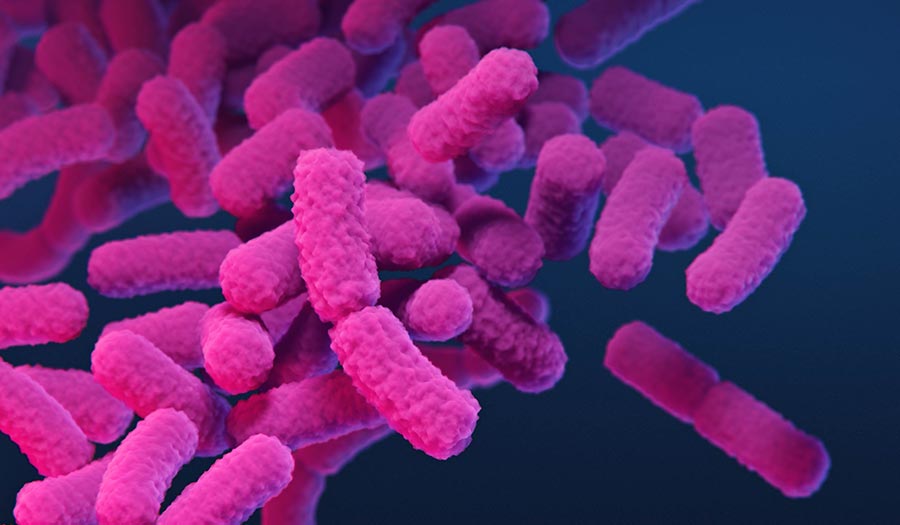
NEW YORK (AP) – Infection rates from drug-resistant “nightmare bacteria” rose almost 70 percent between 2019 and 2023, according to a new report from Centers for Disease Control and Prevention scientists.
Bacteria that are difficult to treat due to the so-called NDM gene primarily drove the increase, CDC researchers wrote in an article published Monday in the Annals of Internal Medicine. Only two antibiotics work against those infections, and the drugs are expensive and must be administered through an IV, researchers said.
Bacteria with the gene were once considered exotic, linked to a small number of patients who received medical care overseas. Though the numbers are still small, the rate of U.S. cases jumped more than fivefold in recent years, the researchers reported.
“The rise of NDMs in the U.S. is a grave danger and very worrisome,” said David Weiss, an Emory University infectious diseases researcher, in an email.
It is likely many people are unrecognized carriers of the drug-resistant bacteria, which could lead to community spread, the CDC scientists said.
That may play out in doctors’ offices across the country, as infections long considered routine—like urinary tract infections—could become harder to treat, said Dr. Maroya Walters, one of the report’s authors.
Antimicrobial resistance occurs when germs such as bacteria and fungi gain the power to fight off the drugs designed to kill them. The misuse of antibiotics was a big reason for the rise—unfinished or unnecessary prescriptions that did not kill the germs made them stronger.
In recent years, the CDC has drawn attention to “nightmare bacteria “resistant to a wide range of antibiotics. That includes carbapenems, a class of antibiotics considered a last resort for treatment of serious infections.
Researchers drew data from 29 states that do the necessary testing and reporting of carbapenem-resistant bacteria.
They counted 4,341 cases of carbapenem-resistant bacterial infections from those states in 2023, with 1,831 of them the NDM variety. The researchers did not say how many of the infected people died.
The rate of carbapenem-resistant infections rose from just under 2 per 100,000 people in 2019 to more than 3 per 100,000 in 2023—an increase of 69 percent. But the rate of NDM cases rose from around 0.25 to about 1.35—an increase of 460 percent, the authors said.
A researcher not involved in the study said the increase is probably related to the COVID-19 pandemic.
“We know that there was a huge surge in antibiotic use during the pandemic, so this likely is reflected in increasing drug resistance,” said Dr. Jason Burnham, a Washington University researcher, in an email.
The CDC’s count is only a partial picture.
Many states are not fully testing and reporting cases. Even in states that do, cases tend to be among hospital patients sick enough to warrant special testing. Many hospitals also are not able to do the testing needed to detect certain forms of genetic resistance.
The CDC researchers did not have data from some of the most populous states, including California, Florida, New York and Texas, which means the absolute number of U.S. infections “is definitely underestimated,” Dr. Burnham said.
This is not the first study to report a rise. A CDC report published in June noted an increase in NDM cases in New York City between 2019 and 2024.