How Syria’s Government Has Redrawn the Map with Advances Against the Kurds
Jan 21 (Reuters) – The Syrian government has seized swathes of northern and eastern Syria from Kurdish forces, consolidating President Ahmed al-Sharaa’s rule nearly 14 months after Bashar al-Assad was toppled.
The rapid turn of events has brought almost all of Syria back under the authority of the Damascus-based state, following years of conflict that fractured the country, and puts a spotlight on shifting U.S. policy.
What Triggered the Syrian Army Advances?
Tensions had been simmering between the government and the Kurdish-led Syrian Democratic Forces for months.
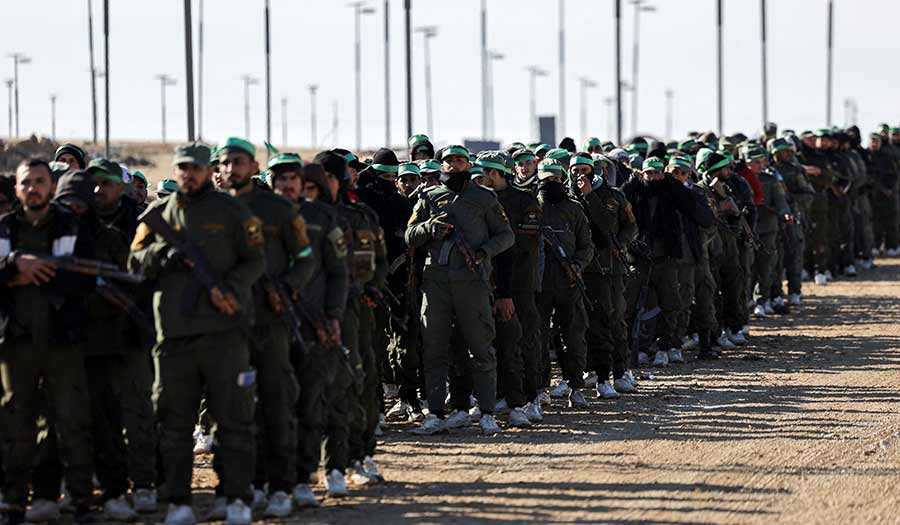
Damascus has demanded the SDF, spearheaded by the Kurdish YPG, merge fully into the security forces and that governing bodies in the Kurdish-run regions also be integrated.
The Kurdish-led forces have resisted, aiming to preserve their regional autonomy and expressing concerns that the Islamist-led administration in Damascus seeks to dominate Syria.
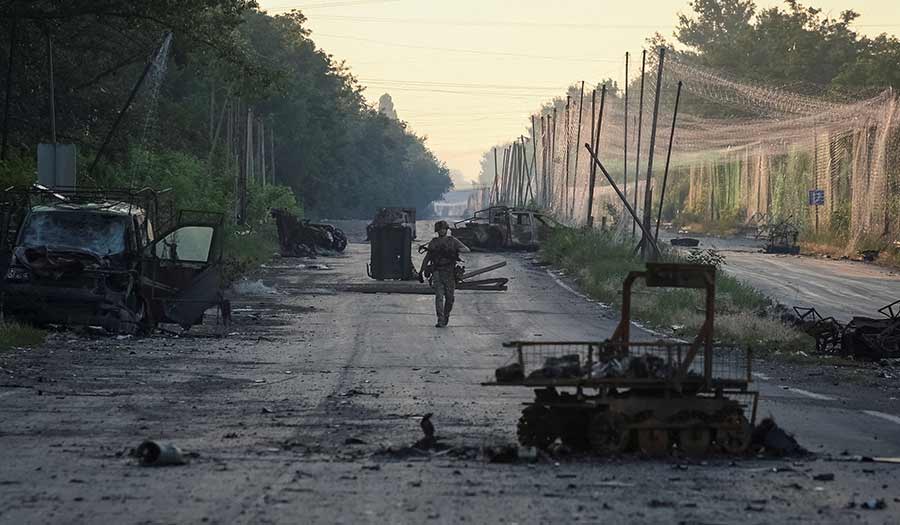
Conflict erupted this month, with government troops seizing Kurdish-run districts of Aleppo before thrusting eastwards last week, forcing Kurdish fighters to retreat.
Where Have the Syrian Government Forces Advanced?
The provinces of Raqqa, Deir al-Zor and parts of Hasakah province.
The territories include Syria’s biggest oil fields, a major hydroelectric dam, agricultural regions, jails holding Islamic State militants, and a camp where Islamic State-linked civilians are held.
The SDF captured much of the territory from Islamic State when it was the primary U.S. partner fighting the jihadists in Syria. The captured areas are majority Arab.
The SDF has fallen back to Kurdish-majority areas, commander Mazloum Abdi said in comments published on Tuesday.
Under a ceasefire agreed on January 20, the government gave the SDF four days to devise a plan for its remaining enclaves in Hasakah to merge.
In the event a deal is reached, government troops will not enter two remaining SDF-held cities—Hasakah city, the ethnically mixed provincial capital—and Kurdish-majority Qamishli.
What Is the U.S. Position?
While the U.S. military built close ties to the SDF, Washington never backed its political goal of securing a high degree of autonomy for the northeast.
U.S. policy has been complicated by objections from NATO member Turkey, which deems the YPG an extension of the outlawed Kurdistan Workers Party (PKK) and sent troops into Syria several times to counter its influence.
With Mr. Assad toppled, U.S. President Donald Trump has developed close ties to Mr. Sharaa, lifting sanctions and welcoming Syria into an international anti-Islamic State coalition.
U.S. envoy Tom Barrack said on Tuesday the original purpose of the SDF had largely expired, and that the U.S. had no long-term interest in retaining its presence in Syria.
Mr. Barrack described the offer of integration into the central state with citizenship rights, cultural protections and political participation as the “greatest opportunity” the Kurds have.
Mr. Trump on Tuesday also appeared to back Mr. Sharaa, saying he was “working very hard,” adding that Washington was also “trying to protect the Kurds.”
What Could Happen Next in Syria?
With government troops deployed near remaining SDF-held areas, the stakes are high.
Noah Bonsey, senior adviser with the International Crisis Group think-tank, said the latest ceasefire left much to negotiate, especially on what security arrangements will look like in areas still under SDF control—and in just four days.
The core dispute remains over how centralized or decentralized governance arrangements are going to be in the remaining SDF areas, he said.
Complicating the picture, Mr. Sharaa—a former al Qaeda commander—and Syria’s main Kurdish groups are ideologically poles apart: The YPG’s doctrine emphasizes secular leftism and feminism.
Mr. Bonsey said all sides had an interest in avoiding further conflict.
Mr. Bonsey said the military so far appeared to have avoided the degree of violations and discipline breakdowns seen on the coast and in Sweida, referring to violence last year in which government-aligned fighters killed hundreds of minority Druze and Alawites.
What Is the Significance for Turkey?
Turkey in early 2025 launched a peace process with the PKK, aimed at ending the insurgency it has waged against the Turkish state since 1984.
Turkish officials have said recent events in northern Syria should kick-start the process that had somewhat stalled.
But further escalation in Syria could bring risks.
Syrian Kurdish leaders have appealed to Kurds to mobilize, a call likely to resonate broadly among Kurds, who form sizeable populations in Turkey, Iraq, and Iran.
President Tayyip Erdogan said on Wednesday that Kurdish forces in northern Syria must lay down weapons and disband now to avoid further bloodshed.