Magyarázó: Hogyan működik Irán hatalmi rendszere?
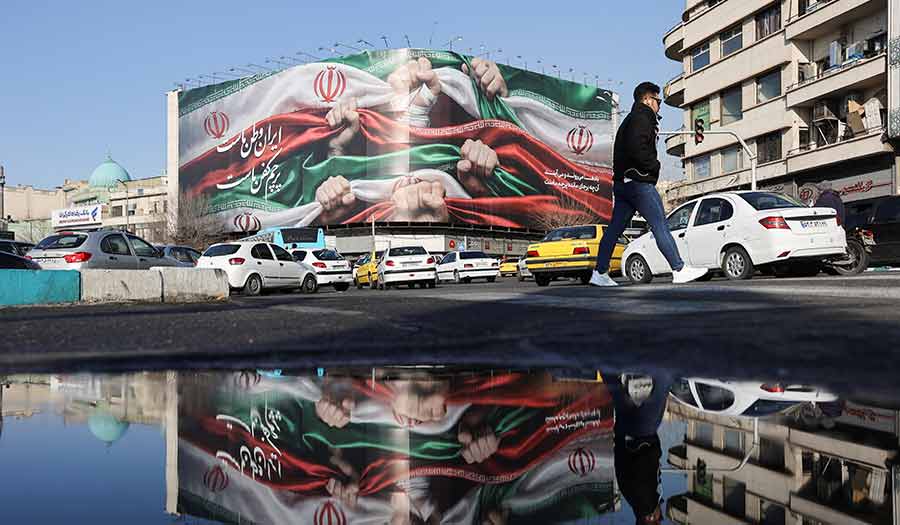
Reuters – Az Egyesült Államok új katonai csapásokat fontolgat az Iráni Iszlám Köztársaság ellen az elmúlt hónapban végzett halálos tiltakozások elnyomása miatt.
Irán kormányzó rendszerének összetettsége, támogatói bázisának ideológiai jellege és a Forradalmi Gárda ereje miatt nehéz megjósolni, mennyire ellenálló vagy sebezhető, hogy a külső támadás hatására, illetve mi következhet ezután.
Íme, hogyan működik a rendszer, és kik a mai Iránban a fő alakok.
Miért van Iránnak "legfelsőbb vezetője"?
Irán politikai rendszere a vilayat-e faqih ("jogász uralma") elméletén alapul, amely szerint a síita muszlim 12. imám visszatéréséig, aki a kilencedik században tűnt el, a földi hatalomot egy legfőbb papnak kell birtokolnia.
Az első legfelsőbb vezető, Ruhollah Khomeini ajatollah volt az 1979-es iszlám forradalom karizmatikus apafigurája, aki kidolgozta azt a mintát, hogy egy egyházi ember a választott kormány fölé emelkedik.
Utódja, Ali Hamenei ajatollah 1989 óta megerősítette ezt a szerepet. Ez biztosítja, hogy ő maradjon a végső beleszólást minden jelentős politikai döntésben, és párhuzamos kormányzási rendszert épített ki, a választott kormány mellett, amelyet hűségesek alkotnak.
Hamenei befolyását gyakran a Nemzetbiztonsági Tanács irányítja, amelyet hosszú ideje tanácsadója, Ali Larijani vezet. Khamenei úr más tanácsadói, köztük Ali Shamkhani volt védelmi miniszter és Ali Akbar Velayati volt külügyminiszter is jelentős szerepet játszottak.
A 86 éves Hamenei úr nem nevezett meg utódot, és nem világos, ki váltaná őt, ha megölnék vagy eltávolítanák.
Fia, Mojtaba Khamenei időnként lehetséges jelöltként tartják számon. Elődje unokája, Hassan Khomeini is ilyen volt, akárcsak néhány idősebb vezető pap.
Irán teokrácia?
Irán egyházi elitje olyan hatalmas testületeket irányít, amelyek befolyásukat kiterjesztik a politikai rendszerben.
A Szakértők Gyűlése, amely nyolcévente választott vezető ajatollahokból áll, az a testület, amely kinevezi a legfelsőbb vezetőt. Az alkotmány hatalmat ad neki vezetőt megkérdőjelezni, sőt akár elbocsátani is, de ezt soha nem tették meg.
A Guardian Council – amelyet félig a vezető, fele az igazságügyi főnök nevez ki – megvétózhat a parlament által elfogadott törvényeket és kizárhatja a választási jelölteket, ezt a mandátumot használták arra, hogy megakadályozzák a Khamenei esetleges kritikusait.
Egy másik egyházi testület, a Khamenei által kinevezett Expediency Council rendezi a megválasztott parlament és az Őrzőtanács közötti vitákat.
Irán síita értelmezéseket követ az iszlám saría törvényekben, és bírái is papok egy igazságügyi vezető alatt, akit Hamenei úr nevezett ki. A jelenlegi vezetőt, Gholamhossein Mohseni Ejeit, nyugati országok szankcionálták 2009-ben, amikor hírszerzési miniszter volt, erőszakos tüntetésért tüntetett fel.
Más befolyásos papok közé tartozik az Expediency Tanács vezetője és korábbi igazságügyi vezetője, Sadiq Larijani, Ali Larijani testvére; Szakértői és Expediency Tanács tagja, Mohsen Araki; valamint Teheráni pénteki imavezető, Ahmad Khatami.
Azonban nem minden pap – még a magasabb rangúak sem – feltétlenül támogatja Irán teokratikus rendszerét vagy jelenlegi uralkodóit. Néhányan ellenzéki voltak, mások, mint Mohammed Khatami volt elnök, sikertelenül próbálták megreformálni és enyhíteni a meglévő rendszert.
Mennyire erősek a Forradalmi Gárdák?
Ellentétben a hagyományos hadsereggel, amely a választott kormányban a Védelmi Minisztérium alá tartozik, az Iszlám Forradalmi Gárda Testülete közvetlenül a Legfelsőbb Vezetőnek tartozik.
A forradalom után nem sokkal alakult az IRGC szerepe az iszlám rendszer védelmében jelentősen kibővült az 1980-88-as iraki háború során, és ma Irán fegyveres erőinek legerősebb és legjobban felszerelt szakaszává vált.
Az évtizedek során a Gárda befolyását a politika és az üzleti világ világában is kiterjesztette, hatalomra szerzettek otthon és külföldön egyaránt.
A Quds Force, egy elit Gárda egység, vezette Irán regionális stratégiáját, amely támogatja a kapcsolódó síita csoportokat a Közel-Keleten, leginkább Libanonban és Irakban. Ezt a stratégiát súlyosan érintette az Egyesült Államok által 2020-ban végrehajtott iraki légicsapás során meggyilkolta a Quds Force parancsnokát, Qassem Soleimanit, valamint Izrael 2024-es háborúban a libanoni Hezbollah elleni legyőzése.
A Basij milícia, egy részmunkaidős félkatonai erő, amelyet az őrség irányít, gyakran használják az iráni tiltakozások leverésére.
A 2000-es évek eleje óta a Gárda gazdasági ereje nőtt, mivel a Khatam al-Anbiya szerződéses cégük milliárd dolláros projekteket nyert Irán olaj- és gázszektorában.
Az izraeli támadások célzott jellege a tavaly magas rangú gárda parancsnokai és a Hezbollah vezetői ellen 2024-ben kérdéseket vetett fel a nyugati hírszerzés lehetséges behatolásával kapcsolatban a hadtest felső vezetésében.
Ugyanakkor Mohammad Pakpour gárda parancsnoka, helyettese Ahmad Vahidi, az IRGC haditengerészeti főnöke, Alireza Tangsiri és a jelenlegi Quds Force parancsnok, Esmail Ghaani továbbra is befolyásos alakok.
Irán is demokrácia?
Az irániak elnököt és parlamentet választanak négyéves ciklusra. Az elnök olyan kormányt nevez ki, amely a Legfelsőbb Vezető által engedélyezett kereteken belül kezeli a napi politikát.
Az Iszlám Köztársaság korai éveiben a szavazások tömeges részvételt vonzottak. Azonban a Guardian Council korlátozásai a jelöltekre és a 2009-es sokat vitatott választási eredmény aláásták a bizalmat sok választó körében, miközben a Legfelsőbb Vezető átfogó szerepe csökkentette a választott testületek lehetőségét.
Masoud Pezeshkian elnököt, akit mérsékeltnek tartanak, 2024-ben választották meg az első fordulós szavazás után körülbelül 40 százalékos részvétellel, valamint egy második fordulóban, amelyben a választók mintegy fele vett részt. Legyőzte Saeed Jalilit, aki Khamenei hűséges és nyugatellenes keményvonalas volt, és továbbra is befolyásos.
2020 óta a parlament elnöke Mohammad Baqer Qalibaf, a korábbi Gárda parancsnok.